
















In this article
- Why do razor bumps happen in the first place?
- The close shave blueprint: Before, during, and after
- Enter Email → Win a Free Toothbrush 100% Winning Chance Email address No, I don't feel lucky You are signing up to receive communication via email and can unsubscribe at any time. Skip to content New Launch Wave Pro —⚡Easy to Be a Brushing Pro⚡>> Laifen Logo | Laifen United States official website logo | Laifen brand LogoLaifen Logo | Laifen United States official website logo | Laifen brand Logo 🎉Best SaleHot sale ToothbrushNew Launch Electric Shaver Hair Dryer Accessories Shop All Use Cases How-to 0 Home / Beard Care / How to avoid razor bumps for a close shave? How to avoid razor bumps for a close shave? How to avoid razor bumps for a close shave? There’s something satisfying about a truly close shave. The razor glides across the skin, the stubble disappears, and what’s left behind is a smooth, fresh surface that feels almost styled. It’s the kind of shave that makes your skin look cleaner and your beard line sharper. A close shave should never feel like a battle between your razor and your skin. When the process is done correctly, the blade can remove hair closely while leaving the skin calm and comfortable. The real secret lies not in shaving harder, but in shaving smarter. Why do razor bumps happen in the first place? Why do razor bumps happen in the first place? Razor bumps often happen when shaved hairs curl back and grow into the skin instead of outward. This is common with coarse or curly hair. Cutting hair extremely close can cause the sharp hair tip to sink below the skin’s surface. As it grows back, it may pierce the skin and create irritation. A dull blade doesn’t cut hair cleanly. Instead, it pulls and drags the hair before cutting it, which increases irritation and raises the chance of ingrown hairs. Going directly against hair growth can create a closer shave, but it also increases the risk of hair curling back into the skin and forming painful razor bumps. Shaving dry or poorly prepared skin makes hair harder to cut. Without softening the hair first, the razor must work harder, which can irritate the skin. Pressing the razor too firmly into the skin can create tiny cuts and irritation. These micro-injuries make it easier for hairs to become trapped and form razor bumps. The close shave blueprint: Before, during, and after When every step is done correctly, the razor glides smoothly and leaves skin calm. This close shave blueprint breaks the process into simple stages so you can shave closer without irritation. Step 1. Begin with a deep facial cleanse Wash your face with warm water and a mild facial cleanser. This removes oil and microscopic debris that can interfere with shaving. Clean skin reduces blade resistance and helps the razor glide smoothly. Spend at least 30 seconds massaging the cleanser into your beard area before rinsing. Step 2. Soften the beard with heat and moisture Dry facial hair can be surprisingly tough, almost as strong as copper wire. Warm water softens each strand and relaxes the skin. A warm shower before shaving works best. If that’s not possible, press a warm, damp towel against your beard area for one minute. Step 3. Create a protective shaving layer Apply a generous layer of shaving cream or gel and spread it evenly across the beard area. Let it sit for about a minute before shaving. This hydration stage allows the product to penetrate the hair shaft and makes each hair easier to cut and reduces friction between the razor and skin. Step 4. Choose a high-performance shaver Choose a high-performance shaver The shaving tool you use greatly affects the result. As one the best electric shavers for close shave, the Laifen P3 Pro electric shaver is built to handle tough hair while staying soft on skin, carrying out 24,000 cutting cycles per minute. This high-speed cutting action helps remove hair quickly and cleanly. Its compact, modern design also makes it easy to carry, so maintaining a close shave anywhere becomes effortless. Step 5. Use short shaving strokes Avoid long sweeping movements. Instead, shave with short strokes that allow you to follow the natural contours of your face. The more well-calibrated your movement, the smoother and more even the shave will feel. Step 6. Work with your beard’s natural direction Start by shaving in the direction your hair grows. This minimizes resistance and irritation. Once the bulk of the hair is removed, a second pass across the grain can refine the shave Step 7. Cool the skin and remove residue After shaving, rinse your face with cool water. The cool temperature also helps calm the skin and tighten pores, which gives your face a refreshed feeling while reducing redness. Step 8. Lock in moisture with soost-shave care Finish with a soothing aftershave balm or lightweight moisturizer. Ingredients like aloe vera, glycerin, and witch hazel help calm the skin while restoring hydration. After the Shave: The most essential step
- FAQs
There’s something satisfying about a truly close shave. The razor glides across the skin, the stubble disappears, and what’s left behind is a smooth, fresh surface that feels almost styled. It’s the kind of shave that makes your skin look cleaner and your beard line sharper.
A close shave should never feel like a battle between your razor and your skin. When the process is done correctly, the blade can remove hair closely while leaving the skin calm and comfortable. The real secret lies not in shaving harder, but in shaving smarter.
Why do razor bumps happen in the first place?

-
Razor bumps often happen when shaved hairs curl back and grow into the skin instead of outward. This is common with coarse or curly hair.
-
Cutting hair extremely close can cause the sharp hair tip to sink below the skin’s surface. As it grows back, it may pierce the skin and create irritation.
-
A dull blade doesn’t cut hair cleanly. Instead, it pulls and drags the hair before cutting it, which increases irritation and raises the chance of ingrown hairs.
-
Going directly against hair growth can create a closer shave, but it also increases the risk of hair curling back into the skin and forming painful razor bumps.
-
Shaving dry or poorly prepared skin makes hair harder to cut. Without softening the hair first, the razor must work harder, which can irritate the skin.
-
Pressing the razor too firmly into the skin can create tiny cuts and irritation. These micro-injuries make it easier for hairs to become trapped and form razor bumps.
The close shave blueprint: Before, during, and after
When every step is done correctly, the razor glides smoothly and leaves skin calm. This close shave blueprint breaks the process into simple stages so you can shave closer without irritation.
Step 1. Begin with a deep facial cleanse
Wash your face with warm water and a mild facial cleanser. This removes oil and microscopic debris that can interfere with shaving. Clean skin reduces blade resistance and helps the razor glide smoothly.
Spend at least 30 seconds massaging the cleanser into your beard area before rinsing.
Step 2. Soften the beard with heat and moisture
Dry facial hair can be surprisingly tough, almost as strong as copper wire. Warm water softens each strand and relaxes the skin. A warm shower before shaving works best.
If that’s not possible, press a warm, damp towel against your beard area for one minute.
Step 3. Create a protective shaving layer
Apply a generous layer of shaving cream or gel and spread it evenly across the beard area. Let it sit for about a minute before shaving.
This hydration stage allows the product to penetrate the hair shaft and makes each hair easier to cut and reduces friction between the razor and skin.
Step 4. Choose a high-performance shaver

The shaving tool you use greatly affects the result.
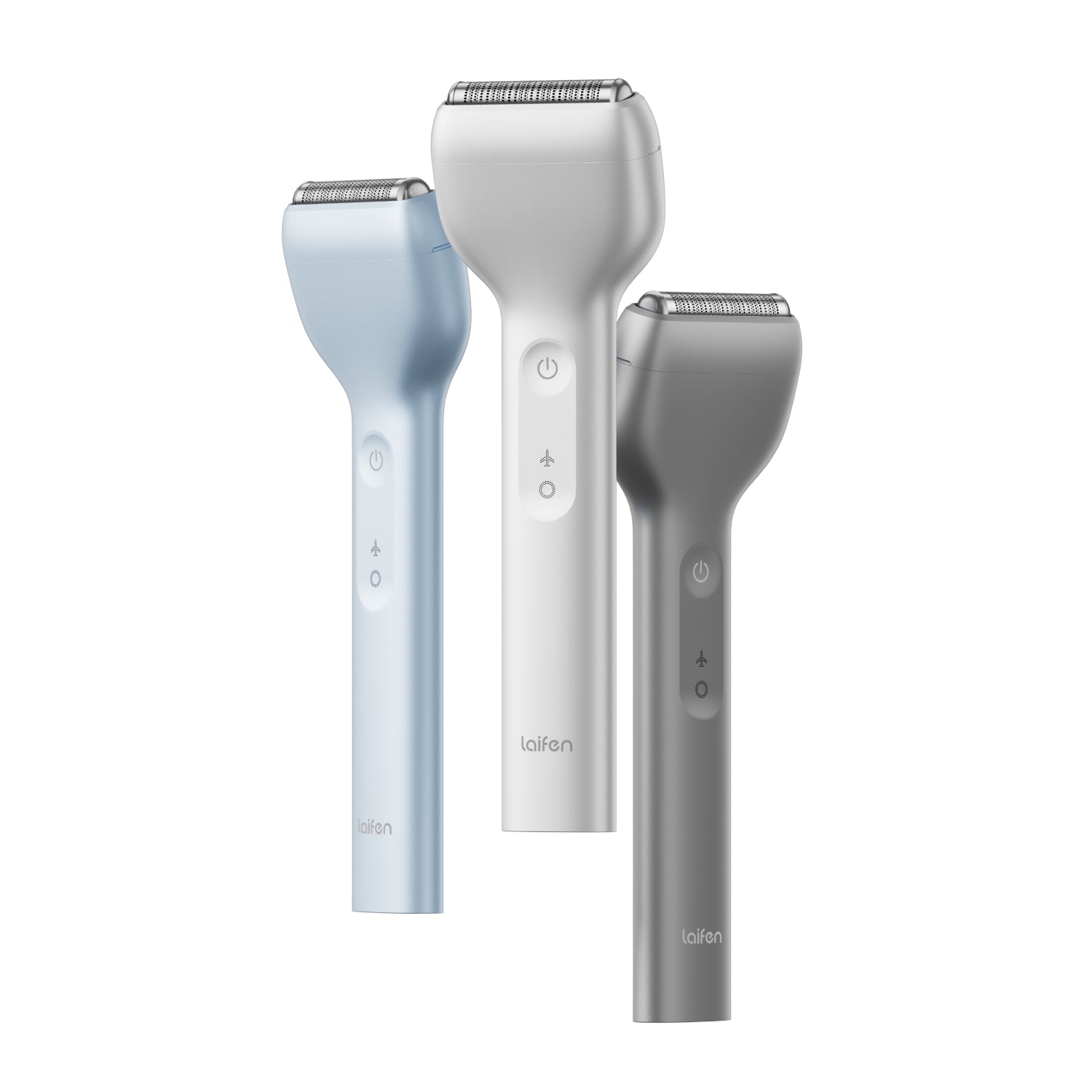
As one the best electric shavers for close shave, the Laifen P3 Pro electric shaver is built to handle tough hair while staying soft on skin, carrying out 24,000 cutting cycles per minute. This high-speed cutting action helps remove hair quickly and cleanly.
Its compact, modern design also makes it easy to carry, so maintaining a close shave anywhere becomes effortless.
Step 5. Use short shaving strokes
Avoid long sweeping movements. Instead, shave with short strokes that allow you to follow the natural contours of your face.
The more well-calibrated your movement, the smoother and more even the shave will feel.
Step 6. Work with your beard’s natural direction
Start by shaving in the direction your hair grows. This minimizes resistance and irritation.
Once the bulk of the hair is removed, a second pass across the grain can refine the shave
Step 7. Cool the skin and remove residue
After shaving, rinse your face with cool water.
The cool temperature also helps calm the skin and tighten pores, which gives your face a refreshed feeling while reducing redness.
Step 8. Lock in moisture with soost-shave care
Finish with a soothing aftershave balm or lightweight moisturizer. Ingredients like aloe vera, glycerin, and witch hazel help calm the skin while restoring hydration.
After the Shave: The most essential step

After shaving, your skin is more sensitive because the razor has removed hair and lightly exfoliated the surface. This is when irritation or razor bumps are most likely to appear, so using a skin-friendly shaving tool makes a real difference.
Laifen P3 Pro Electric Shaver uses a low-nickel foil, which can reduce skin irritation and redness compared with traditional metal foils.
Nickel can sometimes trigger sensitivity in certain skin types when shaving frequently. By lowering the nickel content in the foil, the shaver creates contact with the skin while still cutting hair efficiently.
FAQs
1. Why do razor bumps happen after a close shave?
Razor bumps appear when freshly cut hairs curl back and grow into the skin instead of outward. This is more common with coarse or curly hair. When the hair re-enters the skin, it triggers inflammation and irritation that can develop within hours after shaving.
2. What shaving technique helps prevent razor bumps?
Using light pressure and shaving in the direction of hair growth helps protect the skin. This technique lowers the chance of ingrown hairs while still producing a comfortable shave.
3. Does skin preparation really affect how close the shave is?
Yes, proper preparation makes a major difference. Washing your face with warm water softens facial hair and opens the pores slightly. When hair is hydrated and softened, the blade cuts more easily and permits a closer shave with less pulling or irritation.
4. What should you apply after shaving to prevent razor bumps?
After shaving, calming the skin is essential. Rinse with cool water to reduce redness, then apply a soothing aftershave balm or moisturizer. Ingredients like aloe or witch hazel help restore hydration and keep the skin smooth.