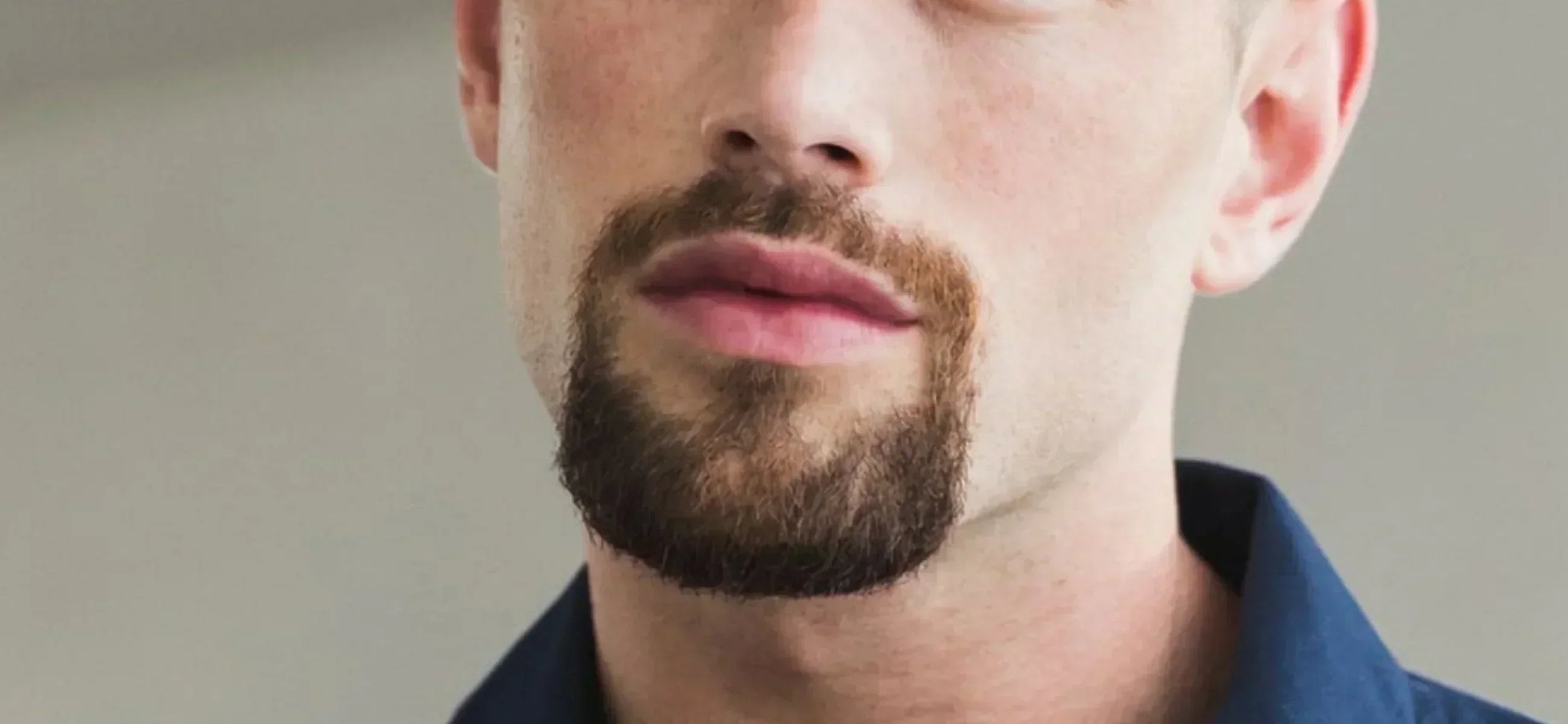














Think of your beard as your style playground, something you can change and adapt as easily as your wardrobe. Short corporate beards, rugged goatees, or adventurous mutton chops all send different signals.
The trick is finding the beard type that works with your lifestyle and how much grooming effort you’re willing to put in. This guide will show you the options and inspire you to experiment until you land on your signature style.
How beard types affect your look?

The beard type you choose has a direct impact on how your overall appearance is perceived.
A short stubble can create a masculine edge that looks stylish, while a full beard communicates maturity and strength. On the other hand, a goatee or van dyke focuses attention on your chin and mouth.
Beyond face shape, beard types also send subtle style signals. A corporate beard looks professional and well-kept for the workplace. A thicker, longer beard can suggest creativity or a more rugged lifestyle.
Choosing the right beard type is about aligning your appearance with the image you want to project. With the right style, your beard can balance proportions and elevate your look instantly.
Matching beard types to face shapes

Not every beard suits every face. The right style can balance your features, highlight your strengths, and create a sharper, more intentional look. Here’s a quick guide:
|
Face shape |
Best beard types |
Why t fitsi |
|
Round |
Full beard, Goatee, Van Dyke |
Adds length and sharpness to elongate the face. |
|
Square |
Stubble, Corporate Beard, Circle Beard |
Softens strong jawlines while keeping masculine definition. |
|
Oval |
Most beard types (Stubble, Full, Anchor, Balbo) |
Balanced proportions allow for flexibility and experimentation. |
|
Rectangle/Oblong |
Mutton Chops, Beardstache, Thick Sideburns |
Adds width to balance a longer face shape. |
|
Diamond |
Full Beard, Short Boxed Beard, Chevron Moustache |
Fills in the chin area and balances a narrow jawline. |
|
Heart |
Goatee, Balbo, Anchor Beard |
Focuses fullness around the chin to balance a narrower lower face. |
Popular beard types you should know
Beard trends evolve, but certain styles remain timeless. These popular beard types are versatile to different personalities.
1. Stubble (Light, medium, heavy)
Stubble is one of the most popular beard styles because it’s easy to grow and maintain. Light stubble gives a clean yet rugged look, medium stubble adds depth and definition, while heavy stubble can create a bold edge.
It’s made for those who don’t want a full beard but still want to showcase style and confidence. Stubble works across face shapes and is often the go-to choice for a casual yet sharp appearance.
2. Corporate beard
The corporate beard is a neatly trimmed, medium-length beard that balances professionalism with style. It’s long enough to add presence but short enough to remain workplace-friendly.
This beard type requires regular trimming along the neckline and cheek line to maintain a clean outline.
3. Full beard
The full beard is the classic symbol of masculinity and strength. Grown naturally but shaped for neatness, it enhances jawlines and gives depth to the lower face.
While it takes patience to grow, maintaining it with trimming and hydration ensures it looks intentional, not wild.
The full beard suits men with oval, diamond, or rectangular face shapes, as it adds balance and proportion.
4. Goatee
The goatee focuses growth around the chin, with or without a connected moustache. It’s an option for men who struggle to grow a full beard but want defined style.
A goatee sharpens the chin and adds length to round or square faces, giving a more refined appearance. Easy to maintain, it requires trimming to keep edges sharp and clean.
The goatee is versatile, working well in casual and professional settings, and continues to be a timeless beard choice.
5. Van Dyke
The Van Dyke combines a pointed goatee with a detached moustache, creating a stylish look.
Named after the 17th-century painter Anthony Van Dyck, this beard type is sharp and full of personality. It suits men who want to stand out and express individuality.
The style requires careful trimming to keep the moustache separate from the chin beard, which demands precision.
6. Balbo beard
The Balbo is a well-defined beard type that combines a floating moustache with a trimmed chin beard, but no sideburns. It emphasizes the jawline and creates strong definition.
The Balbo beard conveys confidence and style without being overly heavy and is a popular choice for men who want something fashionable and easy to maintain with just a few minutes of grooming.
How to choose the right beard type for you?
Once you’ve found your ideal beard type, maintaining it with the right trimming routine.
Step 1: Identify your face shape
Your face shape is the foundation of beard style. Round faces often look sharper with longer beards like a goatee or full beard, while square faces benefit from softer edges like stubble or a corporate beard.
Step 2: Consider your hair growth pattern
Not everyone can grow a thick, even beard. If you have patchy growth, styles like the goatee, van dyke, or anchor beard work better. Full growth opens the door to fuller styles.
Step 3: Match your lifestyle and maintenance level
Some beard types require more care than others. A corporate beard needs frequent trims to stay professional, while stubble or a goatee requires less effort. Choose a style you can realistically maintain.
Step 4: Align with your personal style and goals
Beards influence how people perceive you. A full beard may project maturity and confidence, while stubble suggests casual charm.
Grooming tips for any beard type
No matter the beard type you choose, these grooming habits keep it sharp and easy to manage.
-
Clean your beard two to three times a week with a mild beard wash to remove dirt and buildup without stripping natural oils.
-
Apply beard oil or balm daily to soften the hair, prevent dryness, and keep the skin underneath healthy.
-
Use a trimmer or scissors to maintain your preferred shape. Small, frequent trims prevent overgrowth and keep edges neat.
-
Brushing distributes oils evenly, detangles hairs, and trains your beard to grow in the desired direction.
-
Clean edges make any beard style look sharper. A defined neckline and cheek line create balance and structure.
-
Healthy growth starts inside. Eating protein-rich foods and staying hydrated supports stronger, fuller beard hair.
Final thoughts on beard types
The beard type you choose is a reflection of your personality. From sharp stubble to bold full beards, each look tells a different story and highlights unique features. The key is to find a style that matches your face shape, growth pattern, and daily routine.
Once you’ve chosen, commit to consistent grooming so your beard always looks intentional, not accidental. With the right care, any beard type can elevate your appearance.
FAQs
1. How do I choose the right beard style for my face shape?
First, look at your face shape. Round faces often suit longer beards, while square faces look good with shorter sides. Choose a beard style that balances your facial features and highlights your natural shape.
2. What are the most common beard types for men?
Some popular beard types include the full beard, short boxed beard, goatee, stubble, and circle beard.
3. Does beard growth affect the style I should choose?
Yes, your natural beard growth plays an important role. If your beard grows thick and even, you can try fuller styles. If growth is patchy, shorter styles like stubble or a goatee may work better.
4. How can I maintain the beard style I choose?
Use a beard trimmer, comb, and beard oil to maintain shape, reduce dryness, and keep your beard healthy and well styled.
5. Can I change my beard style over time?
Yes, beard styles can change as your beard grows. You can experiment with different lengths and shapes to see what suits you best. Trying new styles!