In this article
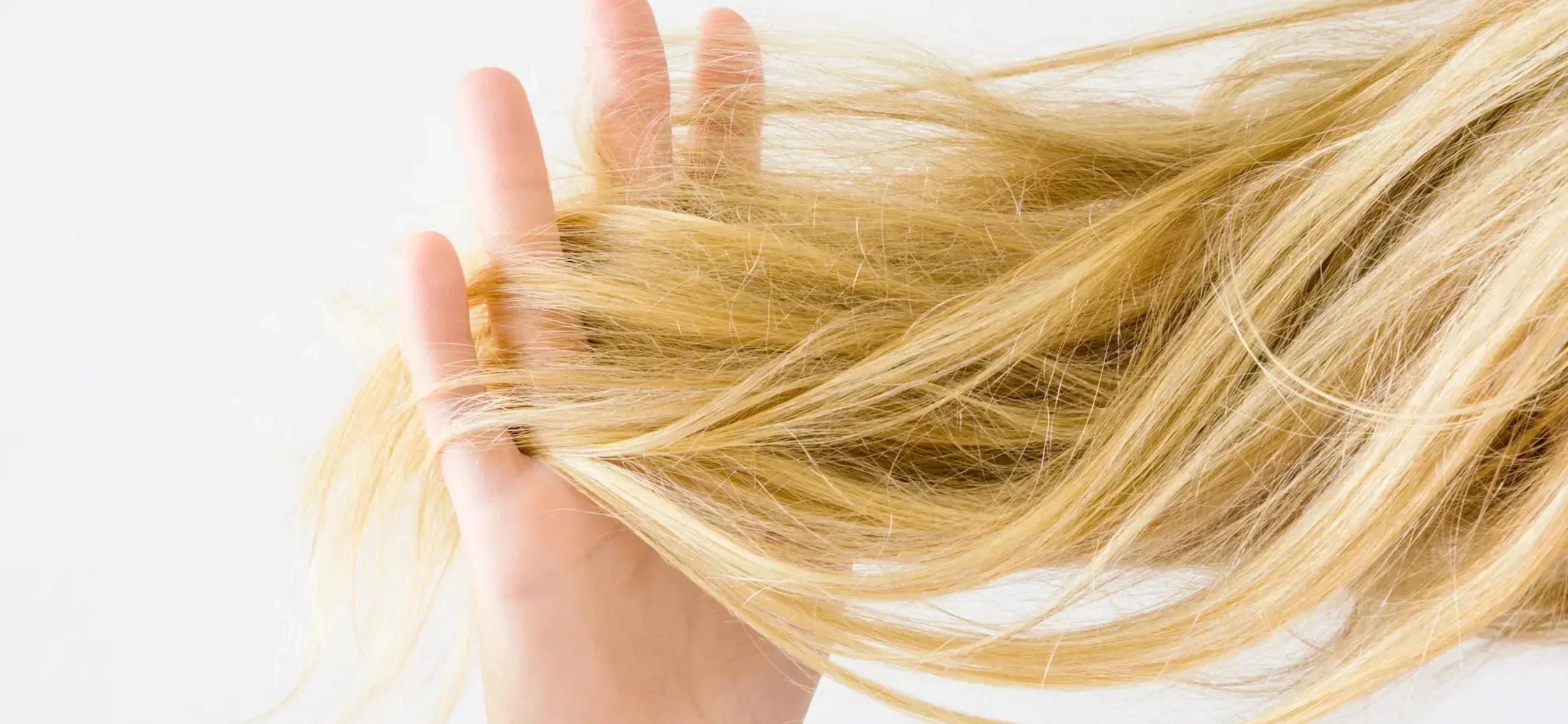
Hair usually breaks off when repeated heat, chemical processing, friction, or tension weakens the strand. The clue is often a short piece left in your brush, rather than a full-length hair that has shed from the scalp. Before changing every product, look at where the breakage shows up and which part of your routine puts the most stress there.
If the same ends catch every time you brush, more brushing won't smooth them into submission. Start by making that one step gentler. Broken lengths can't reconnect, but you can reduce further damage and make the hair you have easier to handle.
Is it broken hair, shedding, or new growth?
Breakage happens along the hair shaft. Shedding releases a hair from the scalp. They can happen together, and a short strand can also be new growth, so length alone doesn't settle the question.
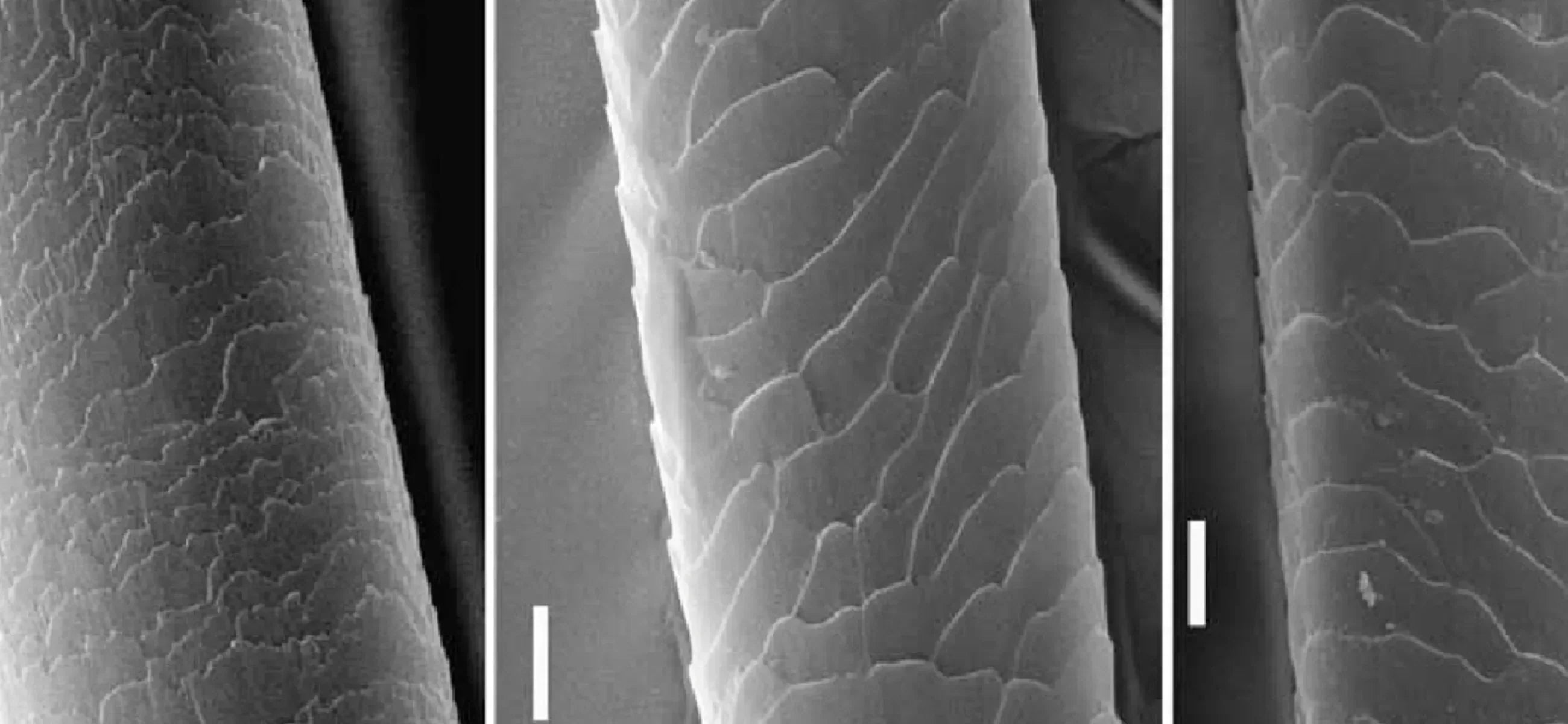
The hair cuticle is the protective outer layer of the strand. Repeated friction, processing, and excessive heat can wear it down, leaving the hair more vulnerable to splitting and snapping.
Look for a combination of changes rather than treating every flyaway as damage:
- Uneven short pieces around the crown or hairline
- Split ends or pale dots along strands that seem to snap easily
- Rough lengths that keep catching on one another
- Ends that look thinner while the hair nearer the scalp stays fuller
Frizz can accompany damage, but it also occurs in healthy hair. The comparison below helps you describe the change without trying to diagnose it from a few hairs in the sink.
| Broken hair | Hair shedding |
|---|---|
| Strands snap along their length | Entire strands release from the scalp |
| Short, uneven pieces are common | Shed hairs are often full-length |
| Frequently associated with physical or chemical damage | Can relate to normal growth cycles or health factors |
| Focus on reducing damage and improving handling | Persistent excessive shedding may need medical evaluation |
What causes hair to break off?
Several small stresses can overlap. Bleached ends may also get a daily pass with a hot tool, then another tug through a knot. Notice the repeated step before assuming the entire routine needs replacing.
Heat that keeps landing on the same section
The last damp patch can tempt you to keep going over the whole head. Move the dry hair aside and reach that patch directly. High heat, close contact, and repeated passes over finished lengths all add exposure the hair no longer needs.
A faster dryer doesn't automatically mean less damage. The setting, distance, movement, and time spent on each section still matter. Conventional curling irons and flat irons should be used on completely dry hair, following the tool's instructions.
Knots that turn brushing into pulling
When the brush stops, stop with it. Hold the hair above the knot and work gently from the ends upward with a suitable wide-tooth comb. Taking a smaller section often helps more than adding force.
Let straight hair dry a little before combing it gently. Thick curls and coils are often easier to detangle while wet or damp with conditioner giving them slip. If the knots keep returning, look at what makes your hair tangle, including friction between washes.
Processing on hair that's already fragile
Bleaching, coloring, relaxing, and permanent waving can change the hair's structure. Repeated processing can leave it less resistant to breakage. Tell your stylist about snapping or rough sections before booking another treatment, especially where previously treated hair could be processed again.
Conditioning can improve the feel and manageability of those lengths. It doesn't give split ends a permanent repair. Lower-heat styling and a gentler finish may be more useful than trying to make every damaged tip look perfectly polished.
Tension at the base and friction along the lengths
A ponytail can look smooth without pulling at your temples. If the base hurts, loosen it. Repeatedly tight ponytails, braids, and heavy extensions can damage hair and contribute to traction-related hair loss.
Look at the smaller habits, too: rubbing with a towel, dragging an elastic down the tail, or sleeping with a tightly secured style. You can keep a favorite hairstyle while changing its tension and takedown. On days when you want a break from hot tools, no-heat hairstyles offer other options; comfort still matters.
Make the next wash-and-dry session gentler
The aim is to get clean hair dry and manageable with less repeated handling. A simpler finish is a reasonable choice while the ends are fragile. You can also review the full wash-and-dry routine if the roots and lengths need different care.
Step 1: Remove excess water gently

Squeeze out water with your hands, then press the lengths with a soft towel or cotton T-shirt. Let the fabric absorb the water instead of rubbing the hair back and forth. Partial air-drying is an option when it suits your hair and schedule.
Step 2: Apply heat protectant
Use a product labeled for heat protection and follow its directions. Spread it through the areas that will meet styling heat, including the ends. A leave-in conditioner only does this job if the label says it provides heat protection.
Step 3: Open up the sections that stay damp
Clip up finished layers and work underneath. Dense hair can look ready at the surface while the roots at the back are still wet. Exposing that section lets the air reach it without another pass over everything else.
Step 4: Adjust heat and airflow as you go
Begin with low heat and airflow you can control. Keep the dryer moving at the distance specified in its instructions, with the nozzle clear of the strands. Move farther away or reduce heat if your scalp feels uncomfortably hot; stop if it hurts.
Step 5: Stop working on dry hair
Once the section is dry, leave it out of further passes. You can use a cool setting for a final styling pass, but it won't undo earlier damage. Fragile ends don't need repeated brushing just to make them match the smoothest piece.
Adjust the technique to your hair
Fine strands: Control the air before adding more heat
Fine describes strand thickness, not how much hair you have. A dense head of fine hair can still need several sections. If strands fly off the brush, turn the airflow down and work with less hair at a time.
For lift, raise the roots gently with the brush while directing the air along the section. Keep the damaged ends out of extra brush work. A little crown volume doesn't require curling every tip under.
Dense or long hair: Give the air a way through
High density can keep damp hair buried underneath dry layers. Sectioning helps you reach it; more heat over the surface doesn't solve the access problem. Finish the roots and inner layers, easing back as the lengths dry.
If the practical problem is holding a brush and dryer while protecting fragile ends, compare Laifen Swift 4 for its listed 407-gram body, without the cord. Shorter sections make it easier to see where the air is landing. A new tool can change the handling; it cannot mend a strand that has already broken.
I'd compare how easily you can change those settings during drying before focusing on the highest airflow figure. They give you choices; they don't measure how much breakage your own hair will have. The included nourishing nozzle is an optional cosmetic finishing step, separate from protecting fragile lengths during drying.
Curls and coils: Keep the groups together
Arrange curls with your styling product as directed, then diffuse on gentle airflow or let them air-dry. Use heat protectant if applying heat. Keep repeated pulling and rearranging to a minimum while the curl groups dry, and wait until they're dry before separating them.
For natural curls, Laifen SE 2 supplies a magnetic diffuser so you can dry without first brushing everything straight. Keep an eye on the areas where the breakage shows up, and adjust the handling there rather than repeatedly working the whole head.
Frequently styled or color-treated hair: Choose which work to skip
Some mornings only need a controlled dry; others call for a brushed finish. Keep the detailed styling for when you want it. Repeatedly straightening a section that's already finished adds handling and heat without helping the damp hair elsewhere.
For a smooth blowout, follow the brush along a small section with a directional nozzle and light tension. For natural curls, use the diffuser without repeatedly stretching them apart. The finish changes; the need to stop once the section is ready stays the same.
Which dryer features are worth comparing?
Keep your current dryer if it gives you comfortable heat, controllable air, and the attachment you use. If one of those is missing, name the problem before shopping. A tool that's hard to hold around the back is a different issue from airflow that scatters your curls.
| Feature | Why it matters for fragile hair |
|---|---|
| Adjustable heat | Helps avoid unnecessarily high temperatures |
| Controllable airflow | Allows gentler drying around delicate ends and curls |
| Temperature regulation | Helps maintain more consistent airflow temperature |
| Lightweight construction | Makes section-by-section drying easier to manage |
| Smoothing attachment | Directs airflow along the hair for a neater finish |
| Diffuser | Distributes airflow across curls with less disruption |
| Ionic technology | May help manage static and visible flyaways |
Temperature regulation manages output; you still set the working distance and decide when to move on. Ionic features may reduce static and visible flyaways, but they don't rebuild the cuticle or reconnect split ends.
Check filter-cleaning instructions, grip, and included attachments. For international travel, check voltage as well: a plug adapter changes the plug shape, not the electrical supply.
Conventional vs. high-speed dryers
The categories alone don't tell you which will suit fragile hair. Compare the specific model's controls and the way you'll use it.
| Consideration | Conventional dryer | High-speed dryer |
|---|---|---|
| Airflow | Varies widely by model | Often designed for concentrated, high-velocity airflow |
| Temperature control | Basic to advanced | Basic to advanced, sometimes with frequent monitoring |
| Weight | Depends on construction | Often compact, but not always lighter |
| Attachments | Model-dependent | Model-dependent |
| Drying flexibility | Can be effective with good technique | May offer efficient drying with controlled settings |
| Price | Compare current model pricing | Compare current model pricing |
A high-speed model can be useful if the controls or handling improve your routine. Paying more doesn't remove the need to change excessive heat, forceful brushing, or repeated processing.
Keep track of the change that matters
For your next few styling sessions, pay attention to the step you changed. Does the comb pass through with less pulling? Are you leaving dry ends out of the remaining passes? Those observations are more useful than adding several products and hoping one works.
If breakage keeps increasing, or you notice visible thinning, patchy loss, pain, or persistent scalp symptoms, arrange a dermatologist's assessment. Bring the timing of color treatments, illnesses, and routine changes if you can. Hair that has started breaking suddenly deserves attention beyond styling advice.
Frequently asked questions about broken hair
Can broken hair grow back?
Hair can continue to grow from healthy follicles, but a snapped length cannot reconnect. Reducing further breakage helps you retain that new length as it grows.
Is broken hair the same as split ends?
No. Split ends are tips that separate; breakage can occur anywhere along the strand. They can occur together, which is why the ends may look uneven as well as frayed.
Should I air-dry broken hair?
It's an option, including letting some moisture evaporate before blow-drying. Keep handling gentle either way. Air-drying won't repair damage, and rough towel work can still create friction.
Can an ionic hair dryer repair damaged hair?
No. Static control can improve how flyaways look. It isn't a permanent repair for damaged hair fibers.
How often should I trim broken hair?
There isn't one schedule for everyone. Ask your stylist about visibly split or severely damaged ends and how much length you want to keep. A trim removes those ends; gentler daily handling helps avoid adding more damage afterward.
Shop The Post