















In this article
Everyday habits often include common mistakes as for teeth brushing believe it or not, and here is the thing that many aren’t even aware of the correct brushing methods.
They just apply their manual brushing techniques to electric toothbrushes. We’re not questioning the effectiveness of your manual brushing method; however, the approach to electric brushing is likely different. So, what are the differences?
All you need is a willingness to learn a few toothbrushing tips to resolve this question, and you’ll easily master the art of brushing.
Insert brush head into mouth first
To redefine a smooth brushing experience and prevent toothpaste splashing, it’s recommended to insert the brush head into your mouth before starting the toothbrush.
Our Laifen Wave is designed to fully align with the dentist-recommended Bass brushing method. Its vertical oscillations allow for effective cleaning with minimal effort.

Here’s how to make the most of it when you insert the brush head into your mouth before brushing.
-
Placement: Place the brush head on the gumline at a 45°angle and rest it for a moment on each tooth to effectively clean both the teeth and gums.
-
Pressure: While brushing, give slight pressure so that the bristles can penetrate the gaps between teeth for thorough cleaning.
-
Back molars: When brushing the back molars, open your mouth wider to give the brush head more space to oscillate.
-
Initial sensitivity: If you experience slight bleeding during initial use, it’s likely because your teeth are not accustomed to deep cleaning.
Bass brushing guide
The Bass brushing technique is a method designed to clean along the gumline, where plaque and bacteria build up most easily.
By using steady vibrations and short strokes, it helps prevent inflammation and improve overall oral health.
Step 1: Angle the brush
Place the Laifen Wave brush head at a 45-degree angle toward your gumline.
Step 2: Turn on low-pressure mode
Choose a low-to-medium intensity setting to avoid brushing too hard. Our Laifen Wave Pro offers a pressure sensor feature to avoid of putting too much pressure on your teeth which may cause hurt or even bleeding.
Step 3: Let vibrations do the work
Hold the brush in place and allow the high-frequency vibrations to clean below the gumline.
Step 4: Move slowly tooth by tooth
Glide the brush head along each tooth, spending a few seconds on each area.
Step 5: GIve it a full rinse
After brushing for two minutes, rinse thoroughly and enjoy a healthier smile.
Other brushing techniques
Beyond the Bass technique, several brushing methods are commonly recommended to address different oral care needs. Each technique focuses on specific brushing angles and motions. Choosing the right method depends on your gum dental goals.
1. Modified Bass technique
The Modified Bass technique builds on the traditional Bass method by adding a low-force sweeping motion. The brush is angled at 45 degrees toward the gumline so the bristles can reach slightly below it.
After holding the brush in place briefly, a short rolling motion is used to sweep plaque away from the gums and across the tooth surface.
*The technique is useful for people who want strong gum protection while still achieving a thorough overall clean.
2. Stillman technique
The Stillman technique focuses on gum stimulation as well as plaque removal. The brush is placed partly on the gums and partly on the teeth, with the bristles angled toward the roots.
Using small vibrating motions, the brush is held in place before being slowly moved toward the chewing surface. This method helps massage the gums and improve circulation while cleaning the tooth surface.
*It is often recommended for people with gum recession or those looking to strengthen gum tissue through careful brushing.
3. Charter’s technique
Charter’s technique can help you clean areas that are harder to reach, such as around orthodontic appliances. Instead of angling toward the gums, the brush is angled away from the gumline, pointing toward the chewing surface.
Short back-and-forth or vibrating motions are used to clean the sides of the teeth and spaces between them.
*This technique helps prevent plaque buildup around braces and restorations and is commonly suggested for patients with orthodontic devices or specialized dental needs.
4. Fones technique
The Fones technique is simple and easy to learn. The teeth are kept together while the brush is moved in wide circular motions across the front teeth and gums.
For the chewing surfaces, short back-and-forth strokes are used. This method helps clean large areas quickly and encourages consistent brushing habits.
*While it may not target the gumline as precisely as other techniques, it is effective for developing basic oral hygiene skills and daily plaque control.
Cleaning & maintenance
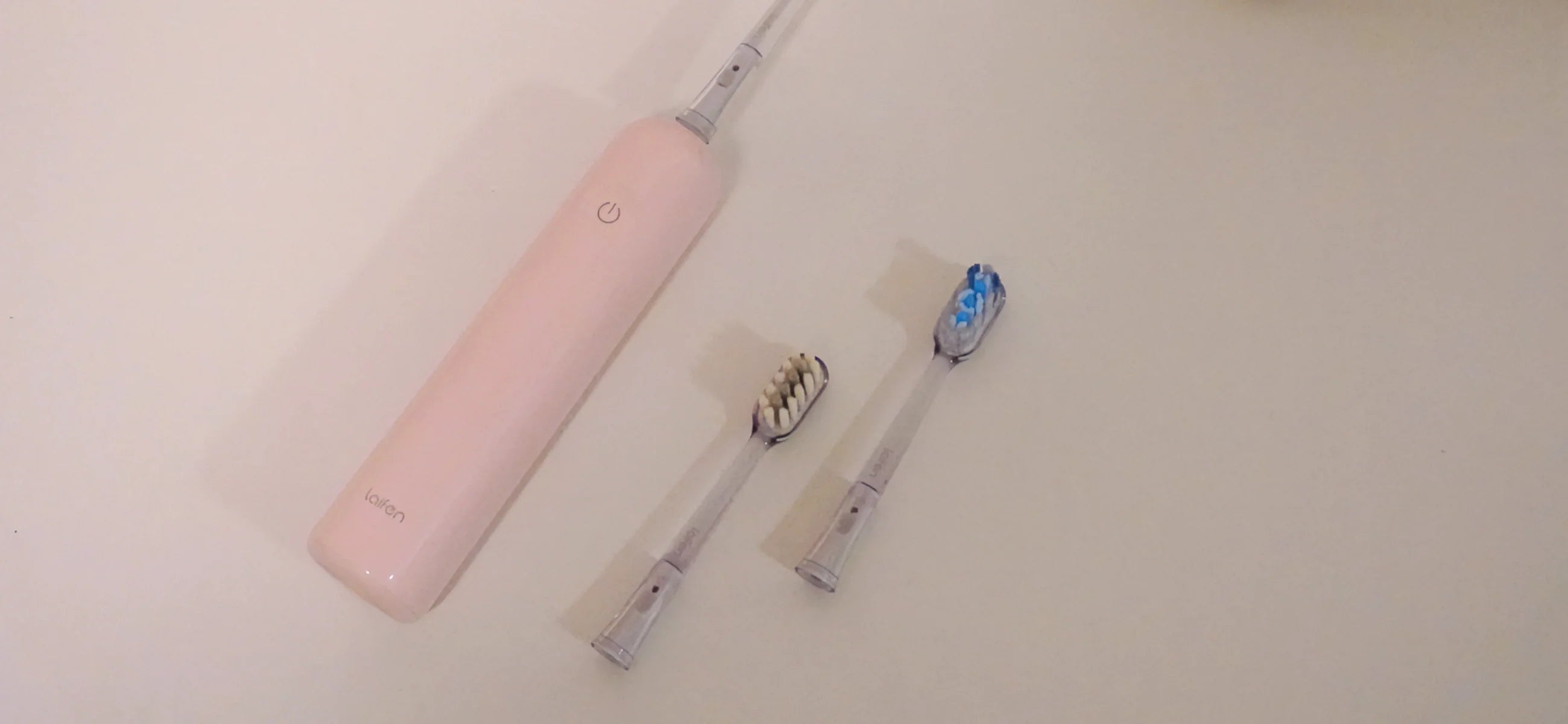
After brushing, it’s essential to clean and maintain your Laifen Wave toothbrush for optimal performance and hygiene.

-
Rinse the brush head and handle after each use.
-
Store the brush head and handle in a cool, ventilated place.
-
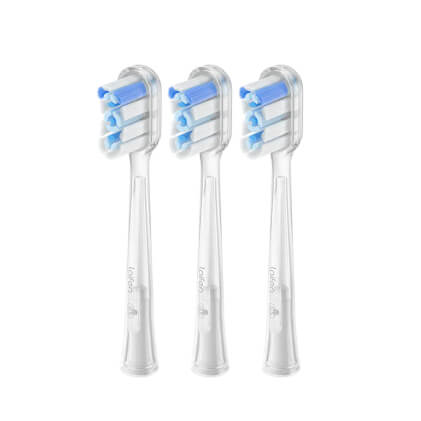
Replace the brush head every three months. If the brush head shows signs of damage or deformation, replace it promptly.
Warm reminder
Remember to follow these brushing techniques and cleaning practices regularly to maintain healthy oral hygiene and maximize the effectiveness of your Wave.
Things to note
Always consult your dentist if you experience prolonged discomfort or bleeding while using the toothbrush.
Avoid using harsh chemicals or abrasive cleaners on the brush head or handle to prevent damage.
Keep the toothbrush away from direct sunlight and extreme temperatures to prolong its lifespan.
By following these recommendations and incorporating them into your daily oral care routine, you can enjoy a healthier and brighter smile with the Laifen Wave toothbrush.
FAQs
1. What brushing technique do dentists recommend most?
Dentists commonly recommend the Bass or Modified Bass technique because it cleans along the gumline, where plaque and bacteria build up most easily.
2. How long should I brush my teeth each time?
Most dentists recommend brushing for two minutes, twice a day, to effectively remove plaque and maintain healthy teeth and gums.
3. Is brushing harder better for cleaning teeth?
No. Brushing too hard can damage enamel and irritate gums. Controlled pressure is more effective and safer for daily brushing.
4. What angle should I hold my toothbrush?
Hold your toothbrush at a 45-degree angle toward the gumline to help clean beneath the gums without causing irritation.
5. Can electric toothbrushes improve brushing technique?
Yes. Electric toothbrushes help maintain consistent motion and pressure, so you can find it easier to follow dentist-recommended techniques.
6. Should brushing techniques change if I have sensitive gums?
Yes. People with sensitive gums should use softer motions, slower strokes, and focus on gentle gumline cleaning.
7. How often should I replace my toothbrush or brush head?
Dentists recommend replacing your toothbrush or brush head every three months, or sooner if the bristles become worn.