









In this article
If you spend most of your time outdoors or rely on heated styling tools, your hair and scalp integrity are incredibly important.
There's nothing more frustrating than an irritated, inflamed scalp and dried-out split ends.
So here's how high temperatures can impact and damage your hair and scalp. We also provide useful and pragmatic tips to ensure your hair and scalp stay healthy.
How high temperatures impact hair and scalp?
High temperatures can massively impact hair and scalp quality in various ways. The last thing you want is to struggle with dry ends, an irritated scalp, and having to get your hair chopped to preserve its integrity.
Itchy, dandruff-ridden scalp

Dandruff occurs when Malassezia yeast grows too much, attacking the scalp cells frequently. This results in itchy, sticky patches and flakes, along with inflammation on the skin.
Exposure to high temperatures can worsen this and result in accelerated scalp irritation. Excessive sweat is also a breeding ground for yeast. So limiting how many products you use with hotter temperatures is important.
-
If you use waxes or gels, you want to cut back on the hair products you use to deter yeast growth.
-
You can incorporate argan-oil-based serums in your hair routine instead of heavier serums, as they can promote scalp buildup.
-
Lastly, a zinc pyrithione or selenium shampoo can help kill yeast and cool the scalp.
Bacterial folliculitis

So, what exactly is folliculitis? It occurs around the hair follicles and is a common skin condition in which follicles become inflamed due to bacteria.
They appear as small pimples around the tiny hair follicle pocket, then turn into itchy sore spots.
Irritating scalp burns

Exposure to high temperatures can impact your scalp and hair by damaging the skin on your scalp, leading to burns. It's true if you constantly use heated styling tools and spend all day in the sun. Excessive sun exposure can eventually lead to sunburn, which can become incredibly painful.
Proper skin protection with high temperatures can save you the pain and discomfort later. For instance, if you spend much of your free time or work outside, you can use a wide-brimmed hat to protect and preserve your skin.
Furthermore, straw hats, especially with perforated holes, can help prevent excessive sweating and cool your scalp.
Dry ends and greasy hair

One of the main functions of your skin is to preserve body temperature. It's why your body produces sweat during a hot summer day, and sebaceous oils protect your skin and hair's integrity. However, when exposed to an increased temperature, your body works harder to cool itself down and increases oil production.
As a result, your hair can become noticeably greasier. However, increased shampooing can start drying out your ends while also leading your oil production systems to go into overdrive.
How to properly blow out hair while protecting scalp?
Step 1. Give it a cool scalp wash
Before any styling begins, what happens in the shower matters. Use a sulfate-free shampoo with antifungal ingredients like zinc pyrithione or tea tree to minimize scalp inflammation.
Avoid heavy conditioners at the roots to trap heat and product residue, which can fuel irritation when drying.
Step 2. Use heat-conscious prep
Skip greasy serums or thick creams at the scalp—they clog follicles and can trap heat in all the wrong ways.
Instead, mist a lightweight, heat-protectant spray only through the mid-lengths and ends.
Step 3. Start with the right temperature
Use its cool or low-heat setting first at the roots. Its Thermo-Control system checks heat 100x per second to avoid hotspots, but your scalp still deserves a slow warm-up.
High heat too soon can spike scalp inflammation and sweat buildup, which can lead to yeast flare-ups or even folliculitis.
Step 4. Focus airflow away from the scalp
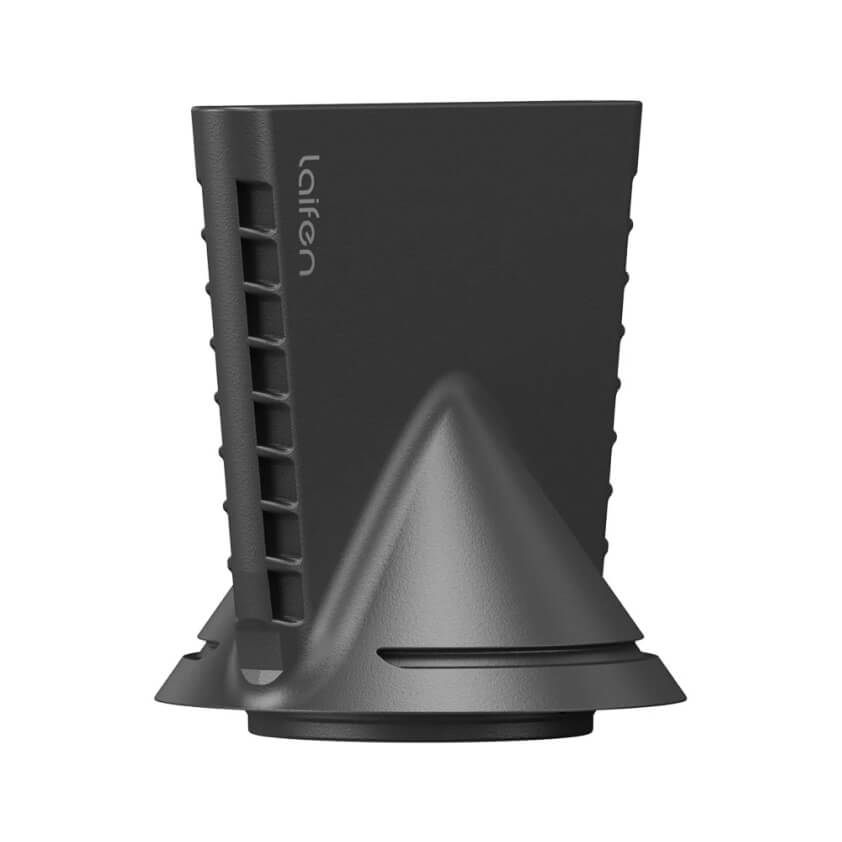
Even with controlled heat, where the air hits matters. So you can use the concentrator nozzle for targeted drying that skips your scalp entirely.
Step 5. Seal with a cold shot to calm the skin barrier
Once your blowout is nearly done, switch to the Laifen’s cold air setting. Glide the dryer over your scalp and roots to cool everything down.
3 tips for preserving hair scalp
Now that we've covered the risk of high-temperature exposure, we'll get into some tips to help preserve your hair and scalp from heat damage.
Add a protective layer

If you tend to blow dry and style your hair with heated styling tools, you should always incorporate a heat protectant beforehand. The last thing you want to do is skip the heat protectant, as it helps preserve the integrity and quality of your hair.
High-quality heat protectants can provide a protective layer around your hair cuticles to prevent hot tools from causing split ends, frizz, and coarseness. You ideally want to find a heat protectant that protects against temperatures upwards of 400 degrees Fahrenheit or more.
Reduce styling tool temperatures
One of the most common mistakes people can make while using heated styling tools is cranking the heat up to full power.
However, that's the last thing you want to do. While it's tempting to work through your hair as quickly as possible, it's more likely to create hair damage and scalp irritation.
So keeping your heated styling tool temperatures lower while working in smaller sections is crucial.
Trim your hair regularly

For starters, finding the right hairstylist who cares about you and your hair's needs and understands the importance of maintaining healthy hair is crucial.
Setting up a routine trim can help remove dry ends and preserve your hair's integrity without allowing split ends and coarseness.
As hair begins to dry out and split, the splitting continues to work up the strand and further compromise your hair's integrity.
You can schedule trims every 8 to 12 weeks when you want to focus on maintaining your current style and your hair's quality.
Choose a hair dryer to protect your scalp and hair
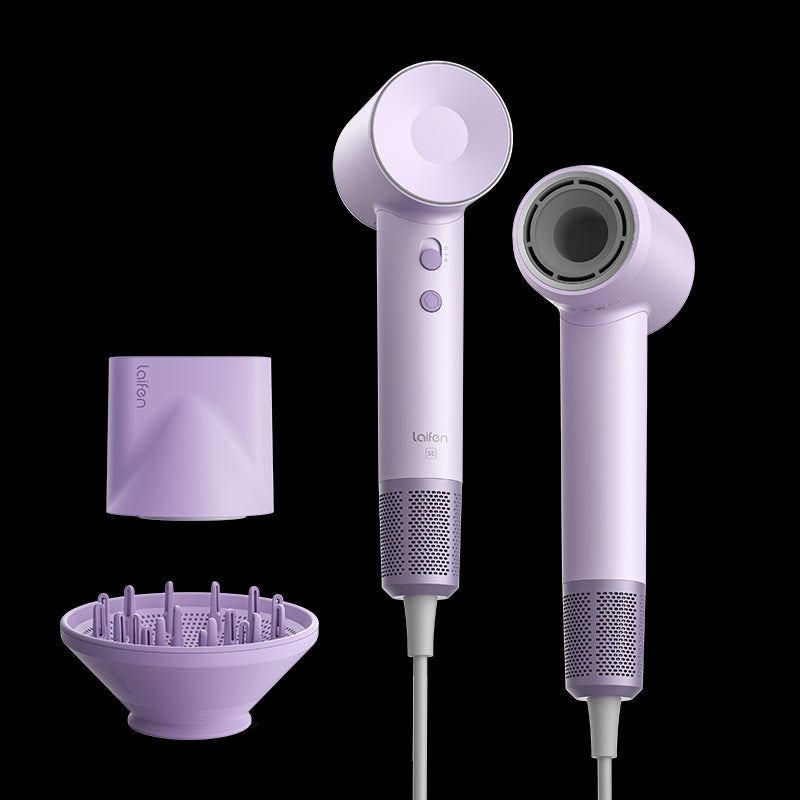
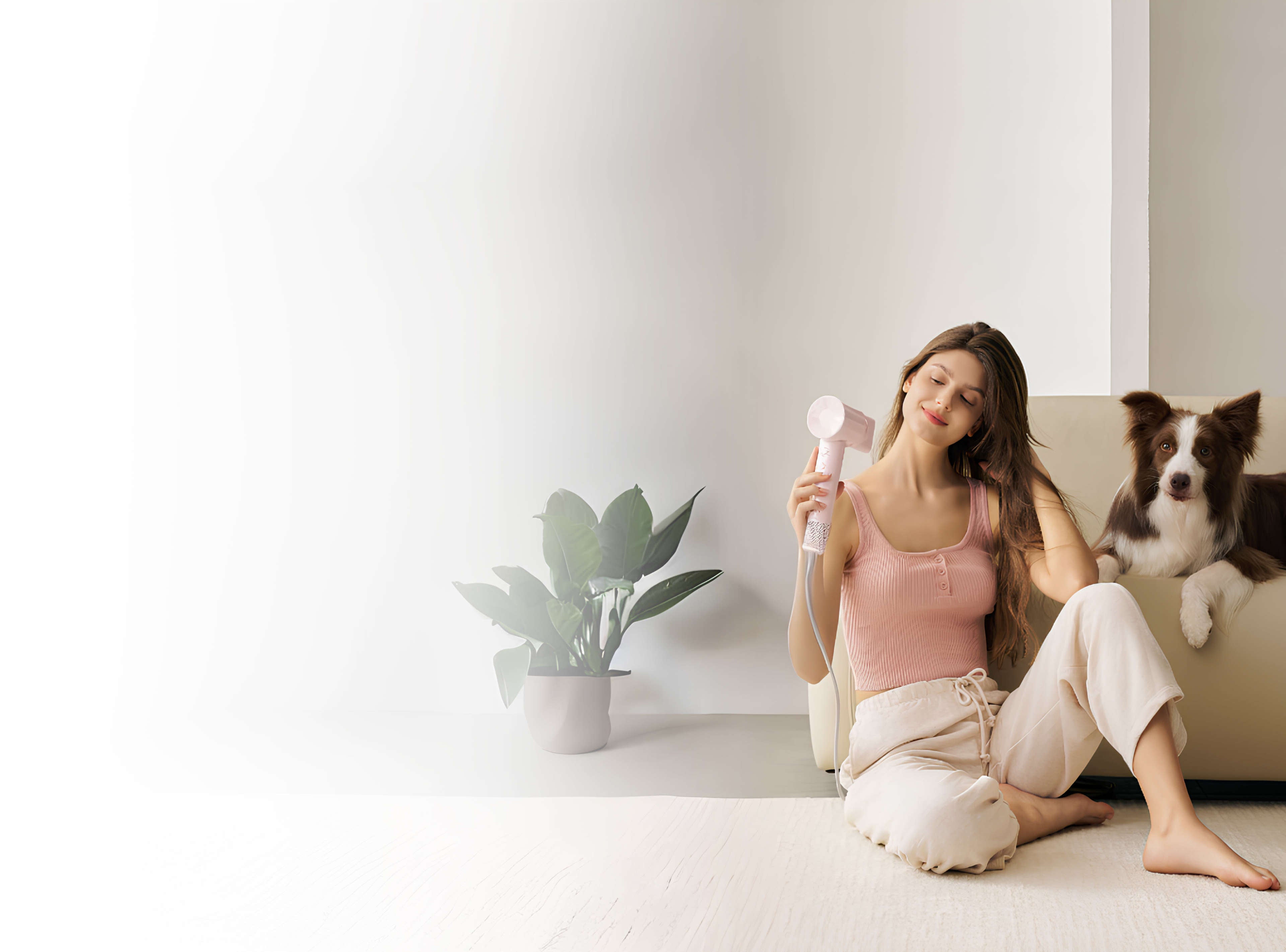
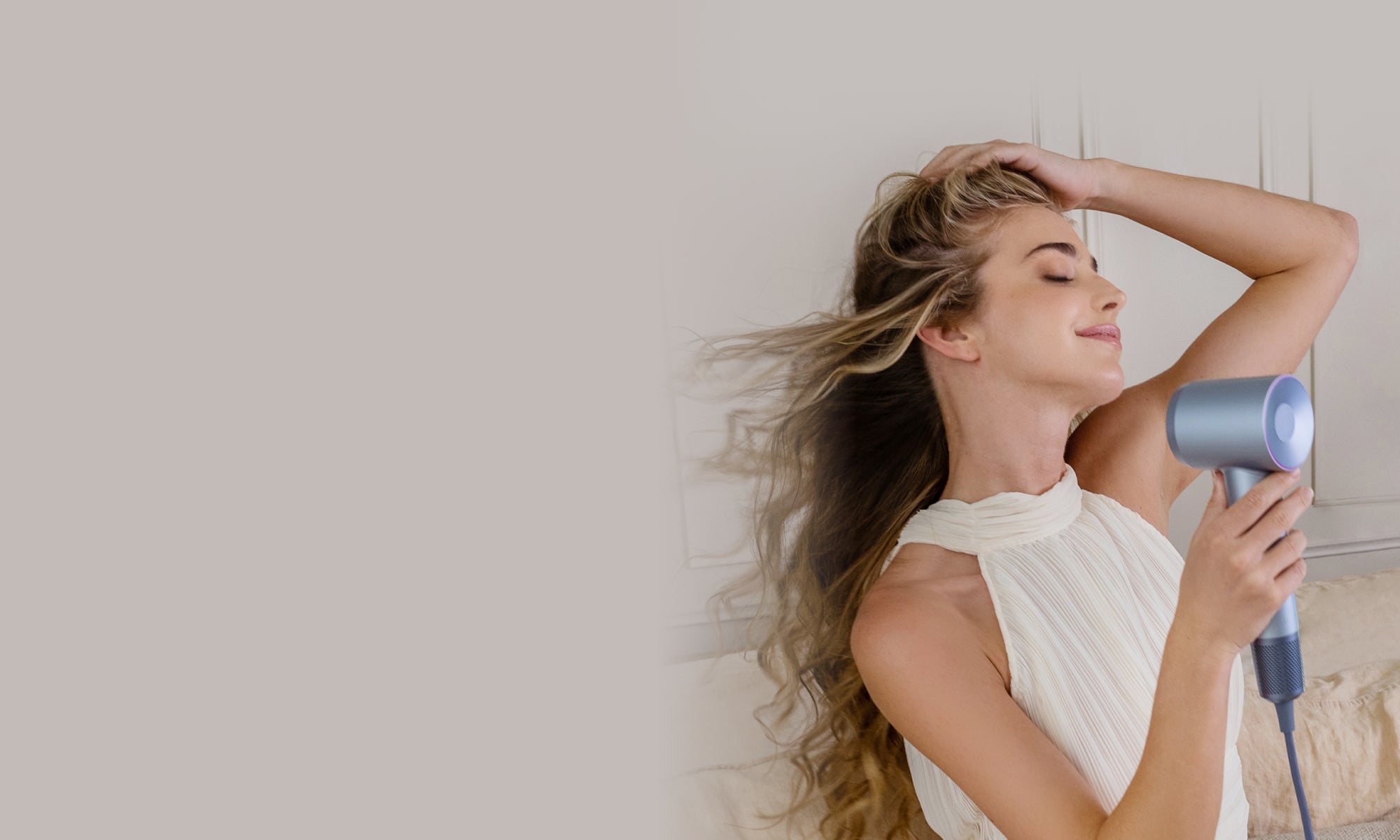
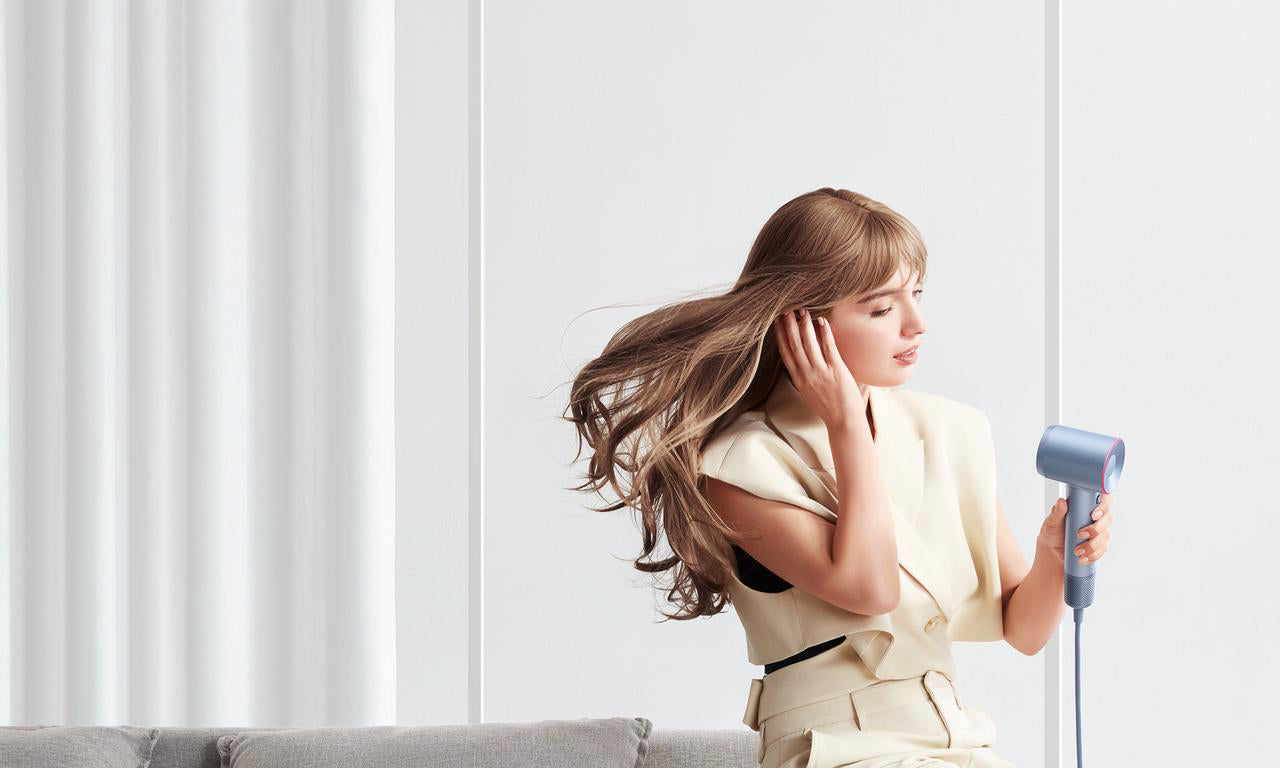
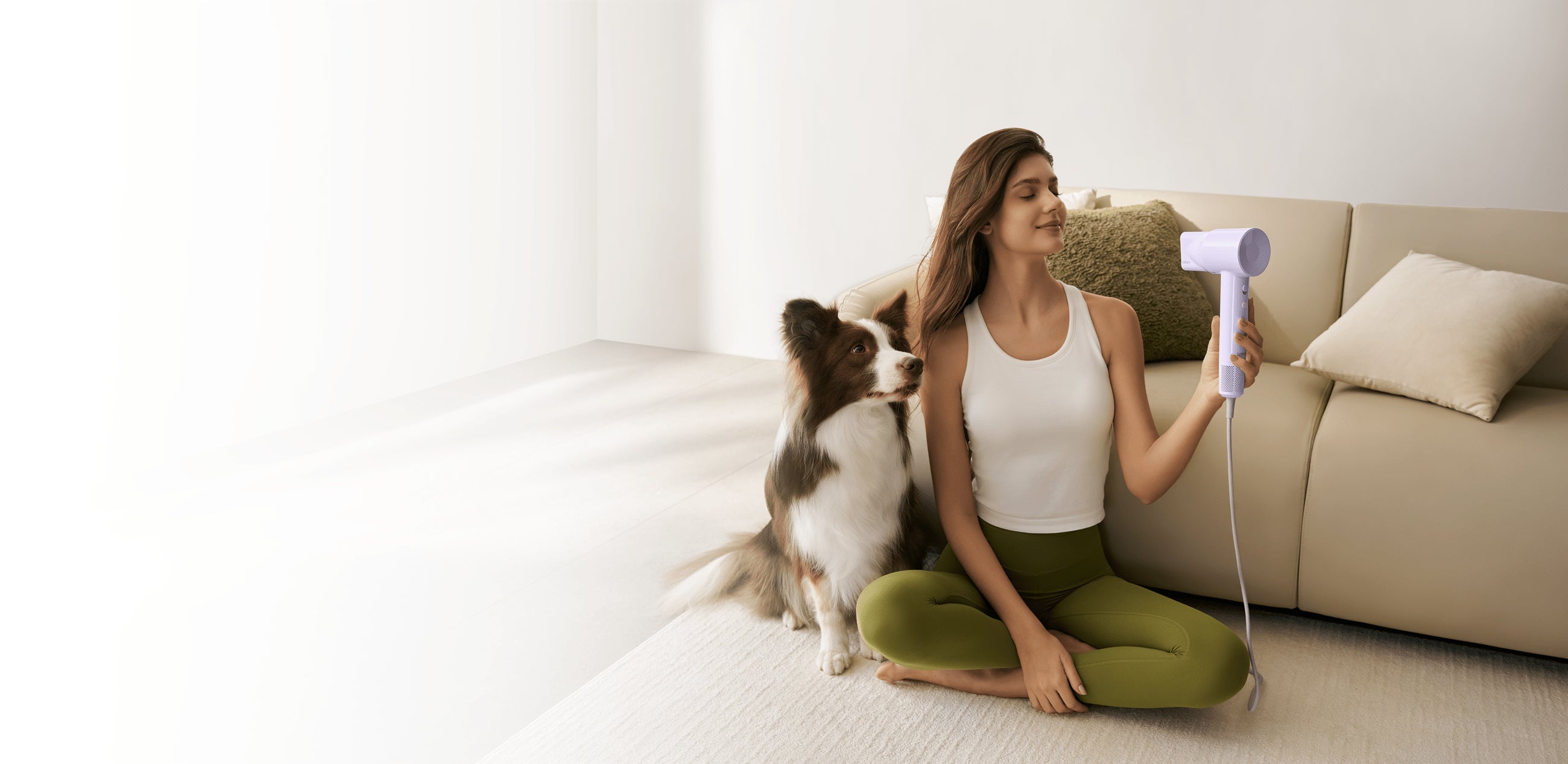
Daily blow-drying often feels like a compromise, choosing between speed and safety for your scalp and hair. But with the Laifen Swift Special, that trade-off disappears.
Designed with intelligent heat regulation, this dryer actively maintains an optimal drying temperature, avoiding the harsh heat spikes that can trigger scalp irritation, flaking, or itchiness.
By keeping temperatures stable, it helps preserve your scalp's natural barrier while giving your strands a break from the dry, brittle aftermath common with conventional dryers.
Equipped with a 110,000 RPM brushless motor, the Swift Special delivers powerful airflow that cuts drying time drastically.
The stream of 200 million negative ions smooths frizz, seals moisture into the hair shaft, and boosts natural shine, leaving your hair soft, supple, and manageable.
The bottom line
High temperatures can leave their mark. On your skin, yes, but especially on your hair and scalp. That scorching afternoon jog, the weekend beach getaway, or even your daily walk to work under a blazing sun. It remembers the dehydration, the excess oil, the UV damage. And over time, all of that adds up.
Because when your scalp is itchy or your hair feels like straw, no amount of styling will fix how you feel underneath. And honestly, feeling good should never be seasonal. So take this as your friendly reminder to listen to your hair.
FAQs
Q1: Why is my scalp warm to the touch?
The warmth you feel on your scalp could be due to increased blood flow, as it plays a role in regulating body temperature.
Q2: Why I feel heat in my head?
Feeling heat in your head might be related to various factors such as stress, tension, or increased blood circulation. If you've been using the hair dryer on a high temperature setting, consider experimenting with the cold setting afterward.
Q3: Does hair affect body temperature?
While hair itself doesn't significantly affect body temperature, it can provide some insulation. However, excessive hair or certain hairstyles may contribute to warmth in hot conditions.
Q4: Can high temperatures cause hair loss?
High temperatures alone are unlikely to cause hair loss. However, excessive heat from styling tools can damage hair and contribute to breakage. You can use such tools carefully and consider protective measures for your hair.
Q5: How can I protect my hair from heat?
To protect your hair from heat, consider using heat protectant products before styling with hot tools. Adjust the tool's temperature to a lower setting when possible, limit heat exposure, and incorporate deep conditioning treatments to maintain hair health.