
















In this article
Every morning starts the same way for many people: a quick look in the mirror, a hand over the stubble, and the familiar question — how should I shave today?
Within seconds, you’re choosing between two very different tools: an electric razor or a traditional blade razor.
What many people don’t realize is that the choice affects more than just the shave itself. It can influence your morning routine and long-term grooming habits.
So which one truly suits your lifestyle better? To answer that, let’s explore how electric razors and blade razors really differ, and what those differences mean for your everyday shave.
2 tools, 2 completely different shaving philosophies
A blade razor follows a traditional philosophy. It relies on direct contact between sharp blades and the skin to cut hair as close to the surface as possible.
The process usually involves preparation including warm water, shaving cream, and careful strokes. For many people, this routine feels precise and intentional. It’s a slower method, but it often delivers an extremely close shave and a classic grooming experience.
An electric razor, on the other hand, is built around convenience and efficiency. Instead of direct blade contact, it uses fast-moving blades protected by a foil or rotary head.
This design helps you to shave quickly with less preparation. In many cases, you can simply turn it on and begin shaving immediately.
Meet the electric razor

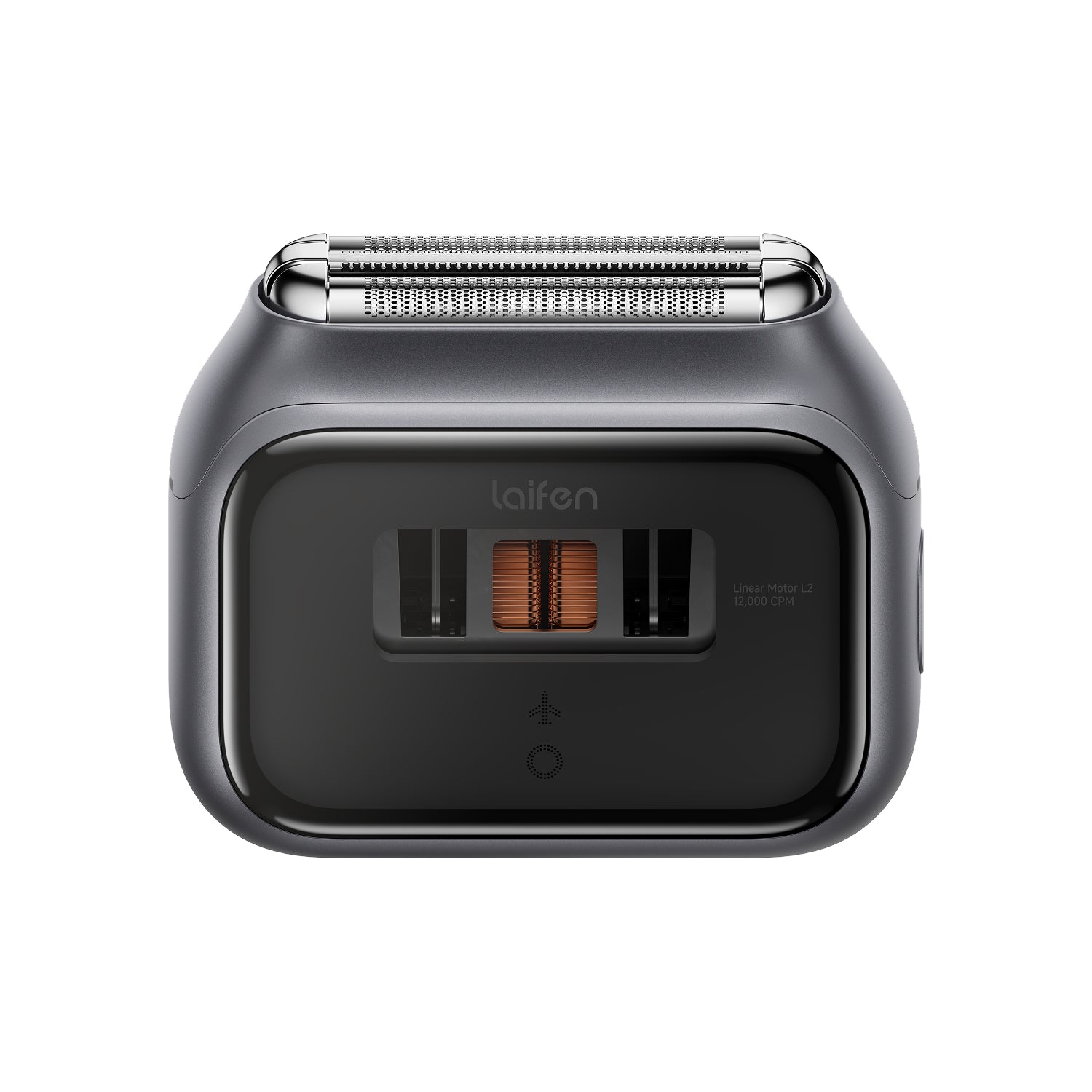
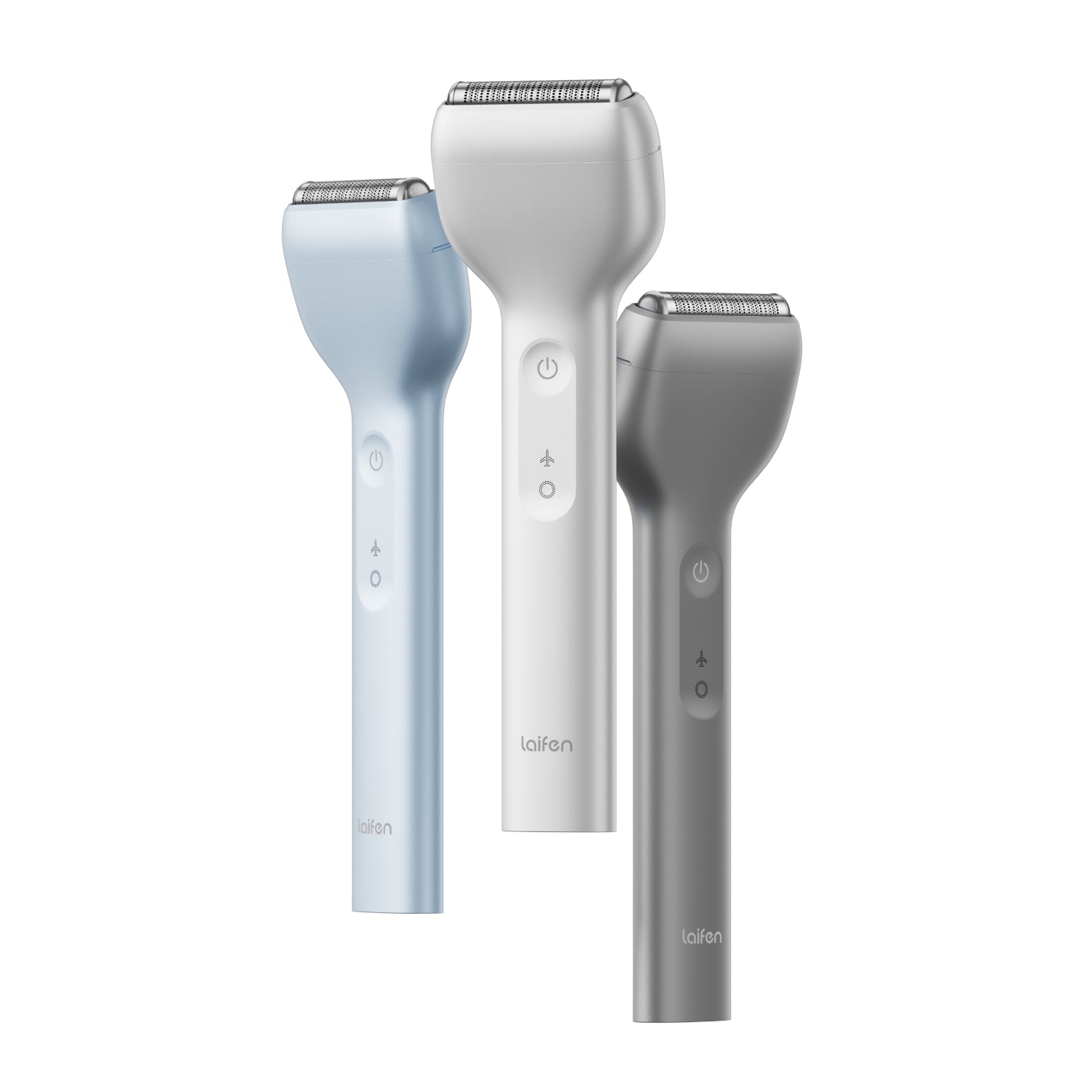
An electric razor is a shaving tool that uses a small motor to move blades quickly and cut facial hair.
Instead of blades touching the skin directly, the blades sit behind a thin metal cover that protects the skin while allowing hair to enter and be trimmed.
There are two main types of electric razors: foil shavers and rotary shavers.
Foil shavers use straight blades that move back and forth, while rotary shavers use round heads that spin in circles.
Meet the blade razor

A blade razor is a traditional shaving tool that cuts hair using one or more sharp blades that touch the skin directly.
Most modern blade razors use replaceable cartridges with multiple blades, while some people prefer classic safety razors with a single blade.
Blade razors are usually used with shaving cream or gel to help the razor glide smoothly and reduce irritation. As you move the razor across your skin, the blades cut the hair very close to the surface.
Because the blades contact the skin directly, blade razors often provide a very close and smooth shave when used carefully.
The morning routine test
When you wake up, time is often limited. Maybe you have work, a meeting, or somewhere to be. In this situation, an electric razor feels more convenient.
You can turn it on, shave quickly, and finish your grooming in just a few minutes. Many electric razors can even be used without shaving cream, which makes the process faster and simpler.
A blade razor, however, often turns shaving into a short routine rather than a quick task. You wash your face, apply shaving cream, and shave slowly to avoid cuts or irritation.
While it takes more time, many people enjoy the careful process and the smooth result it provides.
This “morning routine test” shows the key difference: electric razors focus on speed and convenience, while blade razors focus on precision and closeness.
Electric shaver VS Razor
Electric shavers and blade razors are two popular ways to remove facial hair. Both can give you a clean look, but they work differently and fit different routines.
Some people prefer speed and convenience, while others want the closest shave possible.
|
|
Electric shaver |
Blade razor |
|
Shave closeness |
Gives a clean shave but may leave very light stubble since blades sit behind a protective foil or rotary head. |
Cuts hair directly at skin level, giving the closest and smoothest shave possible. |
|
Speed |
Very fast and easy. Often used without shaving cream. Great for quick morning routines. |
Takes more time because you need water, shaving cream, and careful strokes. |
|
Skin comfort |
Protective design reduces direct blade contact, helping lower irritation and razor burn for many people. |
Direct blade contact can cause cuts, razor burn, or ingrown hairs if shaving technique is poor. |
|
Maintenance |
Needs cleaning and occasional foil or blade replacement, but daily use is simple. |
Blades must be replaced often, and the razor needs rinsing during shaving. |
|
Long-term cost |
Higher upfront cost, but parts last longer and may save money over time. |
Cheap to buy at first, but blades and shaving products add ongoing costs. |
FAQs
1. Electric razor vs blade razor: which one gives a closer shave?
In the electric razor vs blade razor comparison, blade razors give a closer shave because the blades cut hair directly at skin level.
2. Electric razor vs blade razor: which is better for sensitive skin?
When comparing electric razor vs blade razor for sensitive skin, electric razors are often gentler because the blades sit behind a protective foil or rotary head.
3. Electric razor vs blade razor: which is faster for daily shaving?
In an electric razor vs blade razor routine, electric razors are faster because you can shave quickly without shaving cream or extensive preparation.
4. Electric razor vs blade razor: which one is easier to maintain?
In the electric razor vs blade razor debate, electric razors require cleaning and occasional foil replacement, while blade razors need frequent cartridge replacements.
5. Electric razor vs blade razor: which costs more over time?
For electric razor vs blade razor costs, electric razors have a higher upfront price, but blade razors often cost more long-term due to frequent blade replacements.