
















In this article
You glance in the mirror, feel the rough stubble on your chin, and reach for a razor. But then comes the quiet question many people face every day: electric razor vs manual razor.
At first, both seem to do the same job. They remove facial hair and leave you looking clean and presentable. But once you start using them regularly, the differences quickly appear.
One might save you precious minutes before work. The other might leave your skin feeling smoother. One might cost more at the start, while the other quietly adds up over time.
So what separates these two tools? Let’s explore the key differences.
Electric razor vs Manual razor: Why people compare them?
-
Morning time pressure – They want a faster shave before work or school.
-
Skin comfort concerns – People with sensitive skin often wonder which option causes less irritation.
-
Shaving results – Some want the closest shave possible, while others prefer a quick trim that still looks clean.
-
Daily routine habits – Electric razors fit quick routines, while manual razors suit people who enjoy a traditional shaving process.
-
Long-term cost – Many users compare them to see which one saves more money over time with blades or device replacement.
-
Beard type differences – Fast-growing beards may require different shaving tools than lighter stubble.
What is an electric razor?

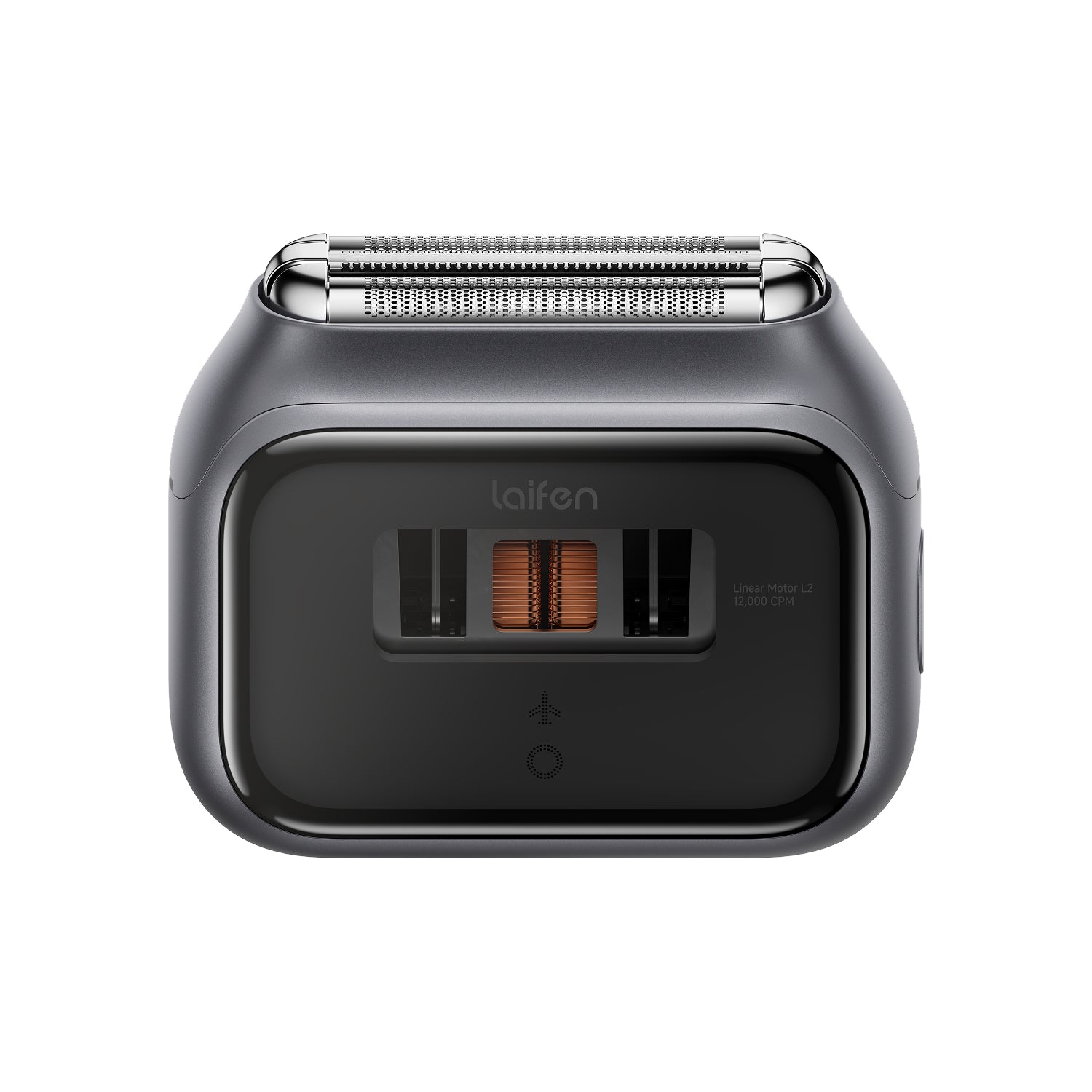
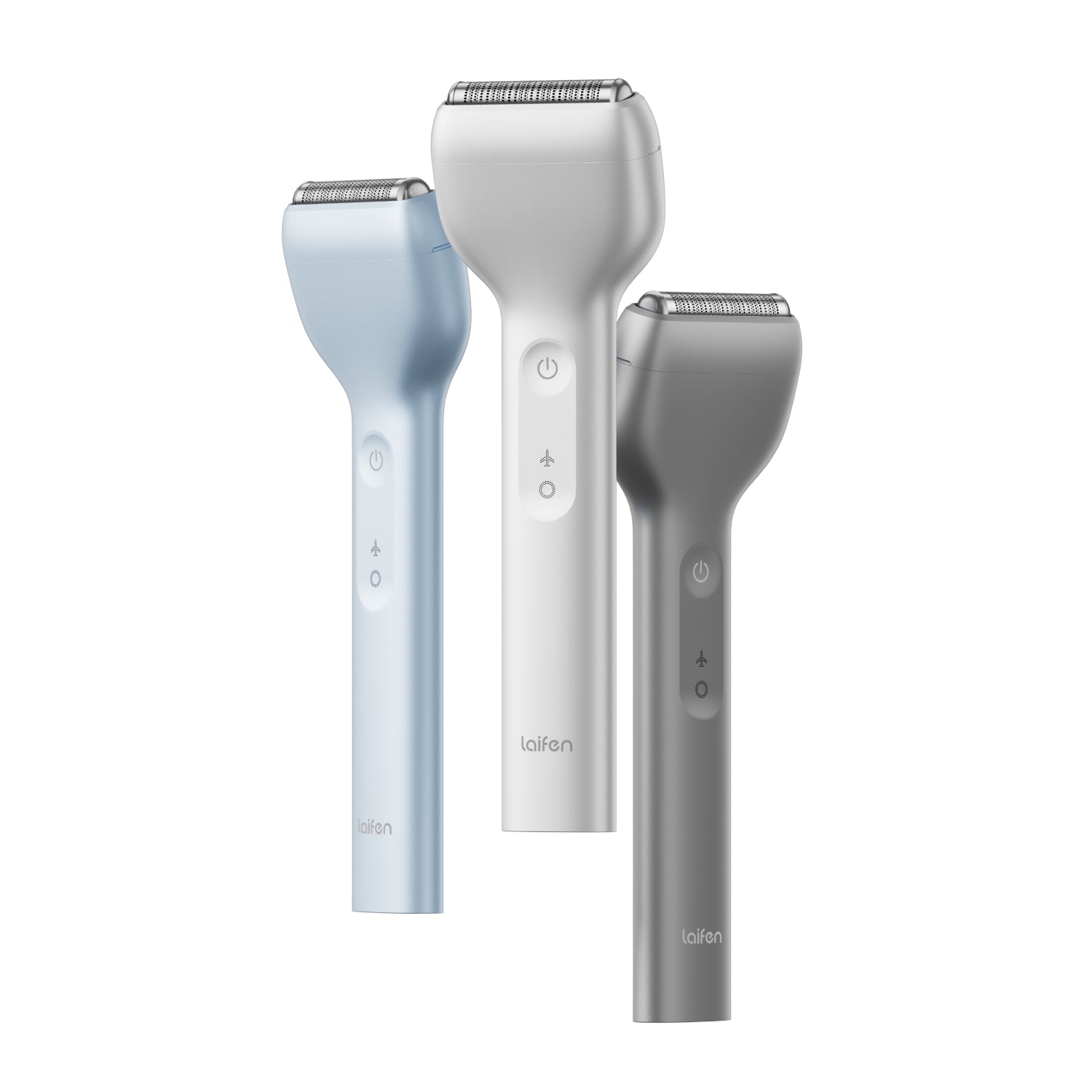
An electric razor is a shaving device that uses a small motor to move blades quickly and trim facial hair.
Instead of the blade touching your skin directly, the blades sit behind a thin metal cover, which protects the skin while allowing hair to pass through small openings.
Most electric razors come in two main types: foil shavers and rotary shavers.
Foil shavers use straight blades that move side to side, while rotary shavers use round heads that spin in circles.
What is a manual razor?

A manual razor is a traditional shaving tool that removes hair using one or more sharp blades that slide directly across the skin.
Unlike electric razors, manual razors do not use a motor. Instead, the user controls the movement and pressure while shaving.
Most manual razors use replaceable cartridges with multiple blades, though some people prefer classic safety razors with a single blade.
They are used with shaving cream or gel to help the razor glide smoothly and reduce irritation.
Quick comparison: Electric razor vs Manual razor
Choosing between an electric razor vs manual razor can affect how easy and comfortable your daily shave feels.
Some people want speed and convenience, while others want the closest shave possible.
This quick comparison shows the key differences so you can decide which tool fits your routine better.
|
|
Electric razor |
Manual razor |
|
Speed |
Very fast to use. Turn it on and start shaving right away, often without shaving cream. |
Takes more time. Usually needs water and shaving cream before shaving. |
|
Closeness |
Gives a clean shave but may leave very light stubble because blades sit behind a protective cover. |
Cuts hair directly on the skin, giving a very close and smooth shave. |
|
Skin comfort |
Protective design helps reduce cuts, razor burn, and irritation for many people. |
Direct blade contact may cause cuts or razor burn if not used carefully. |
|
Cost & care |
Costs more at first, but blades last longer and cleaning is simple. |
Cheap to buy, but blades need frequent replacement. |
Choose an electric razor if you
An electric razor is a great choice for people whose daily life is busy and fast-paced.
If your mornings often feel rushed, an electric razor can save time. You can simply turn it on and shave quickly without needing shaving cream or a full shaving routine.
It’s also ideal if you shave frequently, such as every day or every other day. Electric razors work well on short stubble and help keep your face looking neat with minimal effort.
People with sensitive skin may also benefit from an electric razor. Because the blades sit behind a protective foil or rotary head, there is less direct contact with the skin, which can reduce irritation.
An electric razor also suits those who prefer simple grooming habits. If you want a reliable tool that handles quick touch-ups before social events, an electric razor fits easily into everyday life.
Choose a manual razor if you
A manual razor is often the best choice for people who care most about getting the closest possible shave.
If you like the feeling of completely smooth skin after shaving, a blade razor can deliver that result because it cuts hair directly at skin level.
It’s also a good fit if you don’t shave every day. When facial hair grows longer or thicker, a manual razor can remove it more easily in one careful pass. Many people who shave only a few times a week prefer this method.
A manual razor may also suit those who enjoy a traditional grooming routine. Using warm water and shaving cream can feel relaxing rather than rushed.
FAQs
1. Electric razor vs manual razor: which gives a closer shave?
Manual razors usually give a closer shave because the blade touches the skin directly and cuts hair right at skin level.
2. Electric razor vs manual razor: which is better for busy mornings?
Electric razors are better for busy mornings since you can shave quickly without shaving cream or much preparation.
3. Electric razor vs manual razor: which is gentler on skin?
Electric razors are often gentler because the blades sit behind a protective foil or rotary head, reducing irritation.
4. Electric razor vs manual razor: which costs more long-term?
Manual razors seem cheaper at first, but frequent blade replacements and shaving products can increase long-term costs.
5. Electric razor vs manual razor: which is easier for beginners?
Electric razors are easier for beginners since they require less technique and reduce the chance of cuts.