

















In this article
Every morning, many people stand in front of the mirror trying to quickly tidy their beard before starting the day. Electric shaver trimmers have become a popular choice because they make grooming faster and more convenient than traditional razors.
Pressing too hard, choosing the wrong guard, or skipping preparation can lead to uneven results or skin irritation. The good news is that using an electric shaver trimmer properly is simple once you know the right steps.
With a few easy techniques, you can achieve a comfortable shave in just a few minutes. In this guide, you’ll learn step-by-step how to use an electric shaver trimmer so your daily grooming routine becomes more effective.
Step 1: Choose the right trimmer setting

If you want to maintain a fuller beard, use a longer guard. For short stubble or a more defined look, choose a shorter guard. Selecting the right setting helps you trim evenly and avoid cutting too much at once.
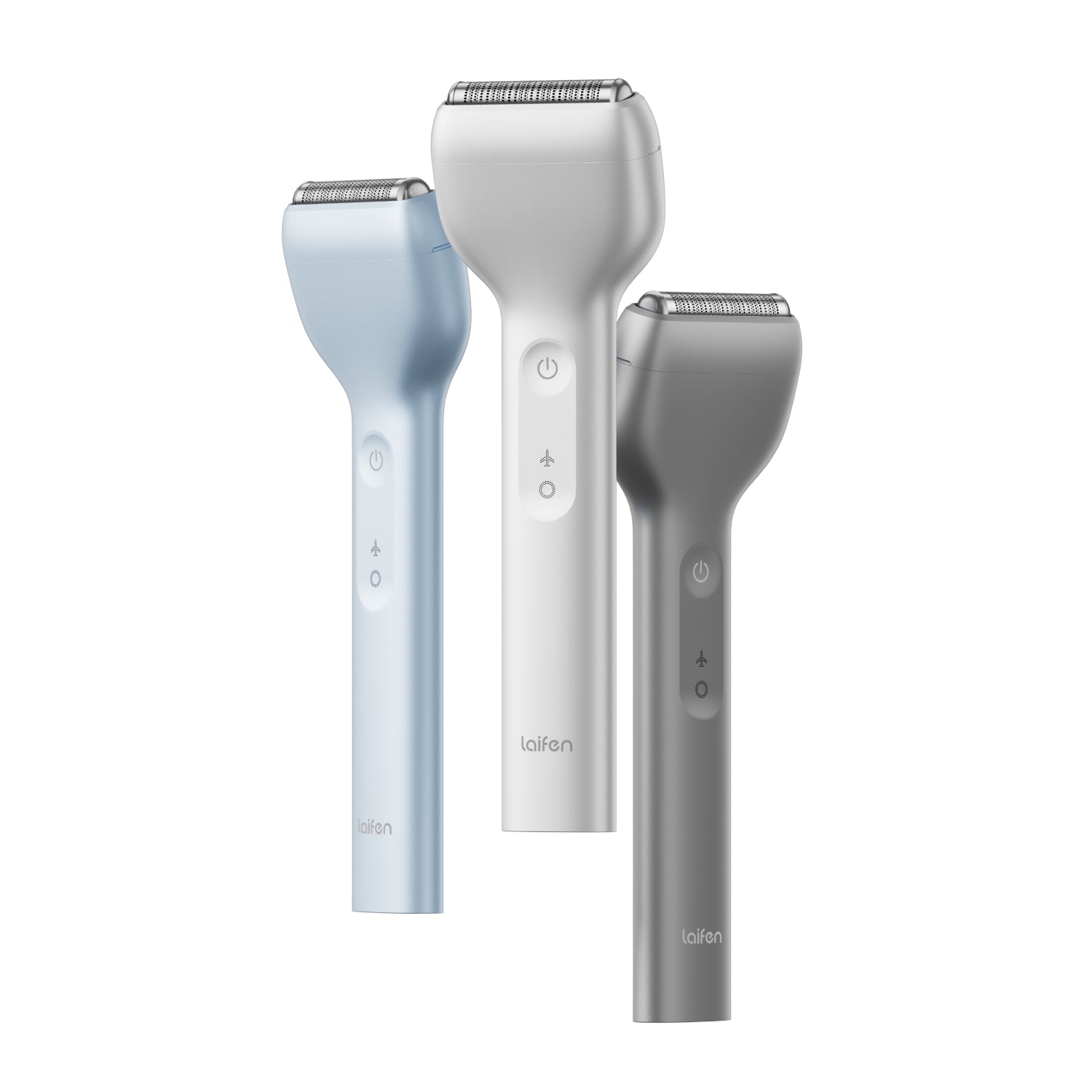
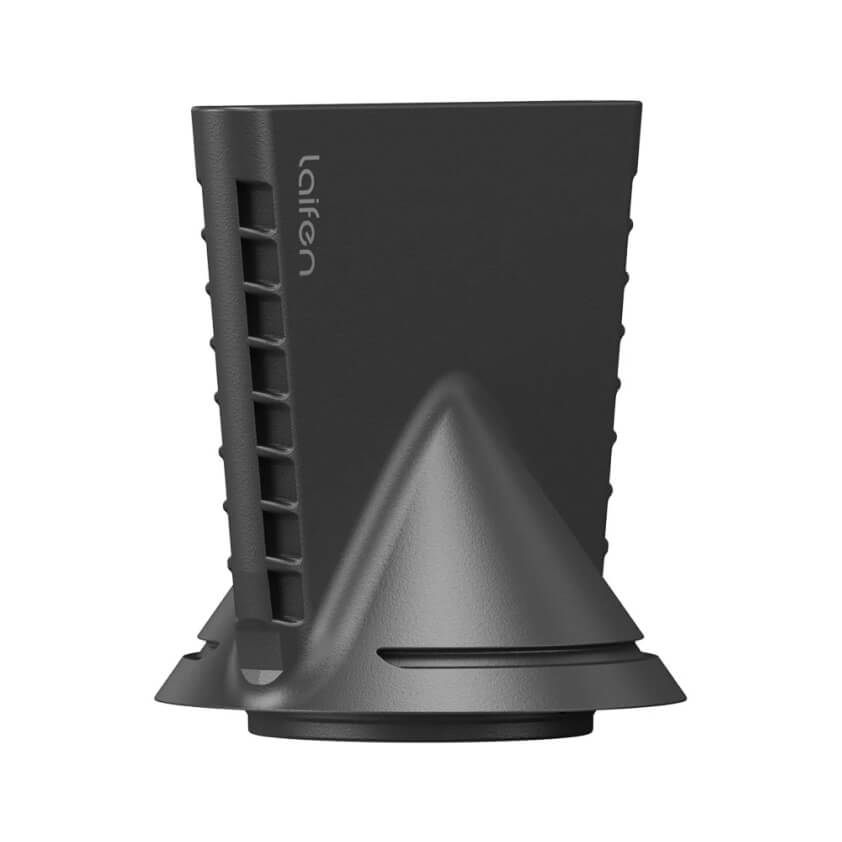
The Laifen T1 Pro makes this step simple. It comes with a shaver head, a trimmer head, and three trimmer guard lengths, giving you flexible options for daily grooming.
Whether you want a clean shave, neat stubble, or a trimmed beard, it adapts to your routine. Its foil shaver also contains less nickel, which helps reduce the risk of skin irritation during shaving.
Step 2: Prepare your skin and beard
-
Wash your face with warm water and a cleanser to remove dirt.
-
Dry your beard completely if using a dry electric trimmer, since wet hair can stick to blades and reduce trimming efficiency.
-
Comb or brush your beard to detangle longer hairs and make them stand upright for a more even and controlled trim.
-
Check your trimmer battery and attachments before starting.
Step 3: Trim the beard first (If it’s long)
If your beard has grown out, trimming it down before shaving helps the trimmer work more efficiently and prevents pulling or uneven results.
-
For long beards:
Choose a longer guard initially to reduce the bulk gradually. Move the trimmer slowly against the direction of hair growth so the blades can catch more hair at once.
Work in small sections across your cheeks, chin, and neck, trimming evenly. Avoid removing too much length in one pass, gradually shortening the beard gives you better control over the final shape.
-
For short beards or stubble:
If your beard is already short, you can begin with a shorter guard or even go guard-free depending on the style you want.
Use light strokes and follow the natural contours of your face. Focus on maintaining an even length across the beard area while keeping the lines around your cheeks and neck clean.
Step 4: Shave using light pressure

When using an electric shaver or trimmer, applying light pressure helps the blades work the way they are designed to.
Electric shavers are built to cut hair efficiently with minimal force, so gliding the device over your skin allows the blades to capture hair evenly while keeping your skin comfortable.
Light pressure helps the shaver move smoothly across different areas of your face, such as the jawline and neck.
Using too much pressure can cause problems. Pressing hard may lead to skin irritation, redness, or razor bumps on sensitive areas. It can also reduce shaving efficiency by flattening hairs instead of cutting them cleanly.
Step 5: Define edges
Trimming edges requires slightly different techniques depending on the area of your face. Each part grows hair in different directions and shapes your overall look.
-
For the neckline, tilt your head slightly up and trim just above the Adam’s apple. Use short strokes to create a natural curve rather than a straight line.
-
When shaping the cheek line, follow your beard’s natural growth pattern and lightly clean stray hairs to keep the edge sharp but natural.
-
For sideburns, keep both sides even by trimming slowly and checking your reflection frequently.
-
Around the mustache, move carefully and trim small amounts at a time to avoid cutting too much and maintain a balanced shape.
Step 6: Check for missed spots
Take a moment to feel your beard with your hands and inspect it from multiple angles in the mirror.
-
Common spots people miss include the area under the jawline, where lighting often hides uneven hair, and the sides of the neck, where hair can grow in patches.
-
The corners of the mustache near the lips are also easy to overlook.
-
Don’t forget the area just below the ears and around the back of the jawline, where stray hairs often remain.
Step 7: Clean trimmer
Cleaning your trimmer after each use keeps it working smoothly and helps extend its lifespan.
During trimming, small hairs, oil, and skin particles can build up around the blades. If they are not removed, the trimmer may become less efficient, pull hair, or cause discomfort during your next shave.
You have to trun off the device and removing the guard or shaving head. Tap or brush away loose hair from the blades.
If your trimmer is waterproof, you can rinse the head under running water to remove remaining debris. After cleaning, dry the blades and reattach the parts.
Pro tips for a better electric shave
-
Shave when your skin is clean and relaxed, such as after a shower, so hairs are softer and easier for the trimmer to cut.
-
Move the shaver against the direction of hair growth to help lift and capture more hairs for a closer, more even shave.
-
Stretch your skin slightly with your free hand to create a smoother surface and help the shaver reach flat and curved areas.
-
Use slow strokes instead of rushing, allowing the blades enough time to cut hairs evenly without pulling or irritation.
-
Trim longer beards first before shaving closely, which prevents clogging the blades and helps the shaver glide more smoothly.
FAQs
1. Should I use an electric shaver trimmer on wet or dry skin?
Most electric trimmers work best on clean, dry skin because dry hair stands upright and is easier to cut. However, waterproof models can also be used with wet shaving if preferred.
2. How often should I trim my beard with an electric trimmer?
It depends on your beard growth and style. Many people trim every two to three days to maintain stubble, while longer beards may only need trimming once a week.
3. Can an electric shaver replace a traditional razor?
Yes, many modern electric shavers provide a close shave suitable for daily grooming. While the result may differ slightly from razors, they are faster and often gentler on sensitive skin.
4. How do I prevent skin irritation when using an electric trimmer?
Use light pressure, keep your skin clean, and move the trimmer slowly across the face.