In this article
- What is alopecia areata?
- What are the signs of alopecia areata?
- Symptoms of alopecia areata
- What triggers alopecia areata?
- Circular hair loss – frequency and age
- Course: What is the course of circular hair loss?
- Self-care in alopecia areata
- Why fast moving air is superior to hot flames in hair thinning?
- Treatment: Alopecia areata treatment and alopecia areata medication
- The final words
- FAQs
The causes of the development of alopecia areata are unclear; therefore, it creates many problems for scientists.
Alopecia areata is another name for "circular hair loss" that needs an efficient approach to treatment.
Persons suffering from alopecia areata face not only physical difficulties but also psychological ones.
Knowing more about the nature of the problem will help us assist patients in avoiding complications and getting rid of it as soon as possible.
Below, you will find out the reasons behind alopecia areata and learn how to prevent it.
What is alopecia areata?

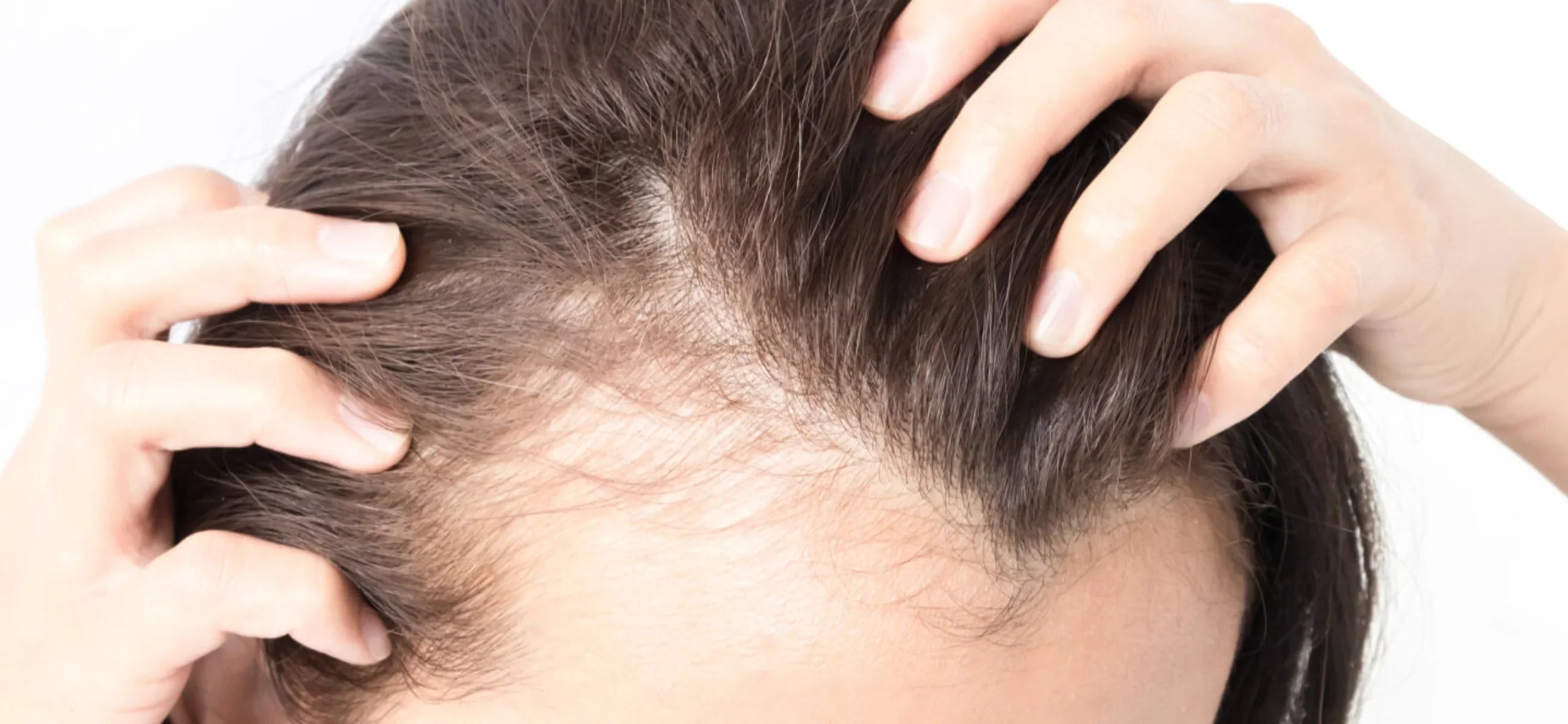
Circular hair loss leads to the appearance of a bald spot on the head with a diameter of 1-2 cm. It is followed by the emergence of another one.
The spot does not have to have an exact circular shape, but it will clearly distinguish itself from the area filled with hairs. Alopecia areata does not cause pain but may cause itching.
What are the signs of alopecia areata?

The first signs of circular hair loss (alopecia areata) usually appear unexpectedly: All of a sudden, round, hairless patches appear where hair was previously present.
In most sufferers, only the hair on the head is affected. In rare cases, however, eyebrows, eyelashes, beard, or other hairy parts of the body can also be affected by hair loss.
In most cases, only individual hairless "islands" form with circular hair loss. However, there are also fewer common subtypes with a different appearance:
-
In alopecia areata totalis, the hairless patches flow into one another until the entire head is bald.
-
In alopecia areata universalis, the entire body is affected by hair loss.
-
In ophiasis-type alopecia areata, the hair on the nape or back of the head disappears.
Symptoms of alopecia areata
One of the symptoms that the person experiences in case of circular hair loss is a bald patch, one or two centimeters in size, which appears on the person's scalp. Later on, more bald areas can develop on the scalp.
Although, the areas of hair loss do not necessarily appear strictly round or circle-shaped, they are clearly distinct from the remaining hair. Alopecia areata does not bring any serious discomfort; only mild itching can occasionally occur.
In most patients, hair loss is limited to one or two spots.
Still, alopecia can develop and cover more areas of the scalp and even lead to total hair loss on the entire scalp or even in the whole body. Fortunately, there is an opportunity to prevent the process from developing.
What triggers alopecia areata?

The exact trigger of patchy baldness is not known yet. The assumption is that it is triggered by the patient’s own immune system. The defense system attacks not an infection, but rather the body itself.
More precisely: It attacks the hair follicle. Inflammation sets in there, interrupting the hair growth cycle and resulting in hair loss.
Although there is only rarely a direct genetic cause for patchy baldness, genetics do seem to play a certain role.
Certain genes have already been identified that can possibly contribute to the formation of patchy baldness. In this respect,
-
The likelihood of the condition being passed on is 6 to 8 percent within families.
-
There is no increased likelihood of passing down patchy baldness in the wider family. It is at about 1 to 2 percent – similar to the rest of the population.
Alopecia areata most likely represents an autoimmune disorder. This implies that the body’s immune system starts attacking itself.
It appears that some white blood cells called T-lymphocytes attack hair follicles. While they don’t actually kill them, the inflammatory reaction caused by their action results in alopecia.
What is clear, however, is that alopecia areata is definitely not caused by malnutrition or hormonal imbalance. Environmental factors also do not seem to have anything to do with it since this disorder was known already in ancient times.
Circular hair loss – frequency and age
Both sexes experience circular hair loss equally. Everyone from kids to the elderly is vulnerable to the condition, but it is mostly the young adults who frequently suffer from the disorder.
Alopecia areata is a common disease; about 1 - 2 percent of people are diagnosed with it at some stage during their lifetime.
Course: What is the course of circular hair loss?
The course of circular hair loss (alopecia areata) cannot be forecasted.
While some patients experience that alopecia is gone by itself after six to twelve months and does not come again, for others, the lost hair grows back, although sooner or later circular hair loss shows up.
Others never improve at all and do not get any improvement. About 20-30 percent of the people concerned suffer from a lasting loss of hair.
There is no influence of the chronic course of the disease on life expectancy.
But surely, alopecia areata can affect your psychological well-being. There are a lot of factors to be avoided if you have alopecia areata. First of all, make sure that you use natural hair-care products only. Furthermore, it is recommended to stay away from stress. In addition, there are some dietary supplements to try.
Self-care in alopecia areata
Each person is unique when it comes to hair loss. Some are able to tolerate it fairly well, but for some others, hair loss is an unbearable condition. Circular hair loss can be quite visible, and it makes the individual uncomfortable.
When hair is lost really fast and/or in abundance, it is often psychologically disturbing for the individual.
People may even get bullied and excluded because of hair loss, especially when it involves kids and teenagers. There are many solutions to this issue.
Measures of a cosmetic nature
Head shaving will be useful for some patients – quite often men have to do this. There are other people who prefer to use wigs or hair pieces. Artificial hair implantation needs a prescription from a doctor.
-
In case of a patchy alopecia on the eyelashes, artificial eyelashes may become helpful.
-
When it comes to alopecia on the eyebrows, artificial eyebrows may be glued; the eyebrows can also be tinted with make-up or tattooed.
-
In the case when alopecia is very unpleasant along with other accompanying psychological problems, such as depression or anxiety, seeking psychotherapy is advised.
Why fast moving air is superior to hot flames in hair thinning?
Conventional hairdryers operate much like miniature heating lamps. These appliances heat up the metal or ceramic coil inside the dryer to pump out very hot flames straight onto your hair.
Research from skin care professionals reveals that these high temperatures dehydrate the natural oils on the scalp and boil the water present in the hair strands, causing them to weaken.
Repeated use of these drying devices leaves the scalp parched, and even triggers invisible inflammation close to your hair follicles. In addition, medical research indicates that hot temperatures irritate hair follicles, resulting in massive hair fall.
The Laifen SE Lite High-Speed Hair Dryer combats such effects using a totally new drying principle.
While the conventional drying process tends to fry the skin barrier, the innovative high-speed brushless motor creates an airflow that removes moisture from the scalp at one go.
The dryer uses a unique method involving not thermal energy, but airflow for drying; therefore, the micro-inflammations and extreme dehydration that lead to root fall do not occur.
Such a method helps preserve the natural composition of the scalp, which ensures that follicles stay healthy and do not become brittle due to thermal damage.
Treatment: Alopecia areata treatment and alopecia areata medication
Since the exact cause of circular hair loss is still unknown, there is no cure. However, different kinds of medications can be taken to help alleviate the problem. The medication ceases to act as soon as the patient stops using it.
The final words
If you are an alopecia areata sufferer, rest assured that you are definitely not alone. Unfortunately, any hair loss can be very upsetting. This is one of the reasons why many alopecia areata patients join support groups.
FAQs
What are the main symptoms of alopecia areata?
The most common symptom is unexpected hair loss in circular patches that appear smooth. Additional symptoms include mild tingling sensations or pitted nails in some people.
How can it be diagnosed by medical professionals?
It can be confirmed with the help of a dermatologist who will examine your hair fall pattern and perform dermoscopy of your scalp, skin biopsy, or even blood tests.
Can hair grow back following alopecia?
Hair grows back as the autoimmune condition causes only temporary damage to hair follicles, and it might happen spontaneously or by using treatment. The possibility of recurrence also exists.
What are the most common ways to manage it?
Topical corticosteroid medications and injections, topical minoxidil application, or even new oral JAK inhibitor prescription medicines can be helpful.
Shop The Post