








In this article
Your hair type and natural style are determined by a combination of your parent’s DNA.
So, if your mother and father have naturally curly hair, you also have a good chance of having curls.
But some hair types are dominant, while others are recessive.
In this article, we look closely at what this means and answer the question – Is curly hair a dominant gene?
Is curly hair really dominant?

Curly hair is known as a dominant gene trait. In contrast, straight hair is known as a recessive gene trait.
So, if your mother has curly hair and your father has straight hair (or vice versa), the chances are you will have curly hair.
Within DNA are two pieces of genetic information known as alleles. Alleles determine what type of hair you will have, depending on the coding of this information within your parents’ makeup. Each person has four alleles, two from the mother and two from the father.
The dominant genes will typically overpower the recessive genes passed on by your parents, determining which type of hair you are most likely to have.
While curly hair is dominant, and you are likely to have curls if one or more parents have curly hair, it doesn’t always work this way, as one of your parents’ alleles could be encoded with a straight hair gene they pass to you.
Curly hair VS Other hair types
Curly hair stands out because of its natural texture and volume, while straight and wavy hair tend to fall more uniformly. The biggest difference lies in structure.
Curly hair grows in a spiral or curved pattern, which makes it more prone to dryness since natural oils from the scalp take longer to travel down the hair shaft.
Straight hair, by contrast, distributes oil more evenly and often appears smoother and shinier.
Maintenance is another key difference.
Curly hair usually requires more moisture-focused care, including hydrating shampoos, conditioners, and leave-in products to prevent frizz and breakage.
Straight and wavy hair are often easier to detangle and style quickly, though they may struggle to hold volume or shape without styling products.
Styling flexibility also varies.
Curly hair offers natural volume and texture, so that even simple styles look full and dynamic. However, it can be sensitive to humidity and shrinkage.
Other hair types tend to respond more predictably to heat styling and grow-out phases.
Ultimately, curly hair demands more intentional care, but it rewards that effort with character and individuality that other hair types can’t easily replicate.
| Feature | Curly hair | Other hair types |
| Natural texture | Coiled or spiral | Straight or wavy |
| Moisture needs | High | Moderate to low |
| Styling effort | Medium to high | Low to medium |
| Volume | Naturally full | Often needs styling |
| Frizz control | More challenging | Easier to manage |
Curly hair pros and cons
Curly hair has a distinct personality that sets it apart from other hair types, bringing both advantages and challenges.
Advantages

One of the biggest pros of curly hair is its natural volume and texture. Even simple haircuts look fuller and more dynamic, which often requires less styling to achieve an eye-catching shape.
Curls also add individuality, so no two curl patterns are exactly the same, which gives curly hair a unique, expressive appeal.
Another advantage is versatility in style. Curly hair can be worn loose for a relaxed look or shaped into defined styles that appear intentional and bold. With the right haircut, curls can frame the face well and enhance overall proportions.
Disadvantages
However, curly hair also comes with its downsides. It tends to be drier and more prone to frizz because natural scalp oils don’t travel easily along the curved hair strands.
This means curls often require more moisturizing products and consistent care. Detangling can be time-consuming, and improper brushing or cutting can lead to uneven results.
Factors that can affect your hair type
While curly hair is dominant in humans, your genetic makeup is only one factor that can influence your hair type, particularly as you get older.
You also need to consider the following external factors:
Environmental
Numerous aspects of the natural environment can affect the way your hair looks. For instance, humidity can cause your curls to look frizzy, while people who live at higher altitudes may not have defined curls due to the absence of pressure in the air.
Understanding these nuances can help you decide how to style and maintain your curls for your desired appearance.
Hormones
At different stages of life, hormones can influence the structure of your hair follicles. This is particularly the case among pregnant women, who may notice their hair becoming thicker or thinner in the months leading up to delivery.
Menopausal hormonal changes can also change the way hair looks, but scientists and medical researchers can’t say why.
Underlying health conditions

If you’re living with an underlying health condition, it may affect the way your hair looks and feels. For instance, alopecia can directly affect the thickness of your hair, while some autoimmune diseases can cause your hair to thin out and even fall out, depending on severity.
If you think your hair texture is affected by a health condition, you should schedule an appointment with a doctor.
Diet and nutrition
The food you eat and its nutritional value will have a big impact on the way you look. People with poor nutrition are likely to experience thinning, straighter hair.
But if you follow a nutritious diet and eat sufficient minerals and vitamins, your hair will thrive. If you have natural curls, this will mean voluminous, bouncy curls that look great.
Product usage

Even though curly hair is dominant, the products and tools you use can change the way your hair looks. For instance, using a hair straightener will straighten your curls, while the adverse is true if you use a curling iron.
While your hair will revert to type after some time, constant use of a product or tool can influence the way your hair naturally sits.
Styling
Linked to the last point, the way you style your hair will obviously influence your natural look. There are so many ways to style your hair that you may even lose sight of how your natural hair looks.
We recommend leaving your hair free from products and abandoning styling tools for up to a month to allow your hair to revert to its natural type and shape. You can then restart styling as and when you know its natural shape and complexion.
Curly hair care routine
A proper curly hair care routine is all about moisture and definition. Because curls are naturally drier and more delicate, they need thoughtful steps that enhance texture without causing frizz or damage. With the right routine, curls can look healthy every day.
Step 1: Cleanse properly

Cleansing is the foundation of healthy curls, but overwashing can strip away essential moisture.
Use a sulfate-free shampoo designed for curly hair to remove buildup while keeping natural oils intact.
Focus on massaging the scalp rather than scrubbing the lengths, letting the shampoo rinse through the curls naturally.
Most curly hair types do best washing two to three times a week. On non-wash days, refreshing with water or a light curl spray helps maintain shape without drying the hair out.
Step 2: Deep condition for moisture
Conditioning is non-negotiable for curly hair. After cleansing, apply a rich conditioner from mid-lengths to ends, where dryness is most common.
Use your fingers or a wide-tooth comb to detangle while the hair is wet and coated with conditioner, which reduces breakage.
*For extra care, incorporate a deep conditioning mask once a week to restore elasticity and softness.
Step 3: Apply styling products

Once out of the shower, curls need products that lock in moisture and define shape.
Choose a lightweight leave-in conditioner to hydrate, then layer a curl cream or gel depending on how much hold you prefer.
Apply products using a scrunching motion to encourage curl formation.
Avoid brushing at this stage, as it can disrupt the natural pattern.
Step 4: Blow-dry with a diffuser

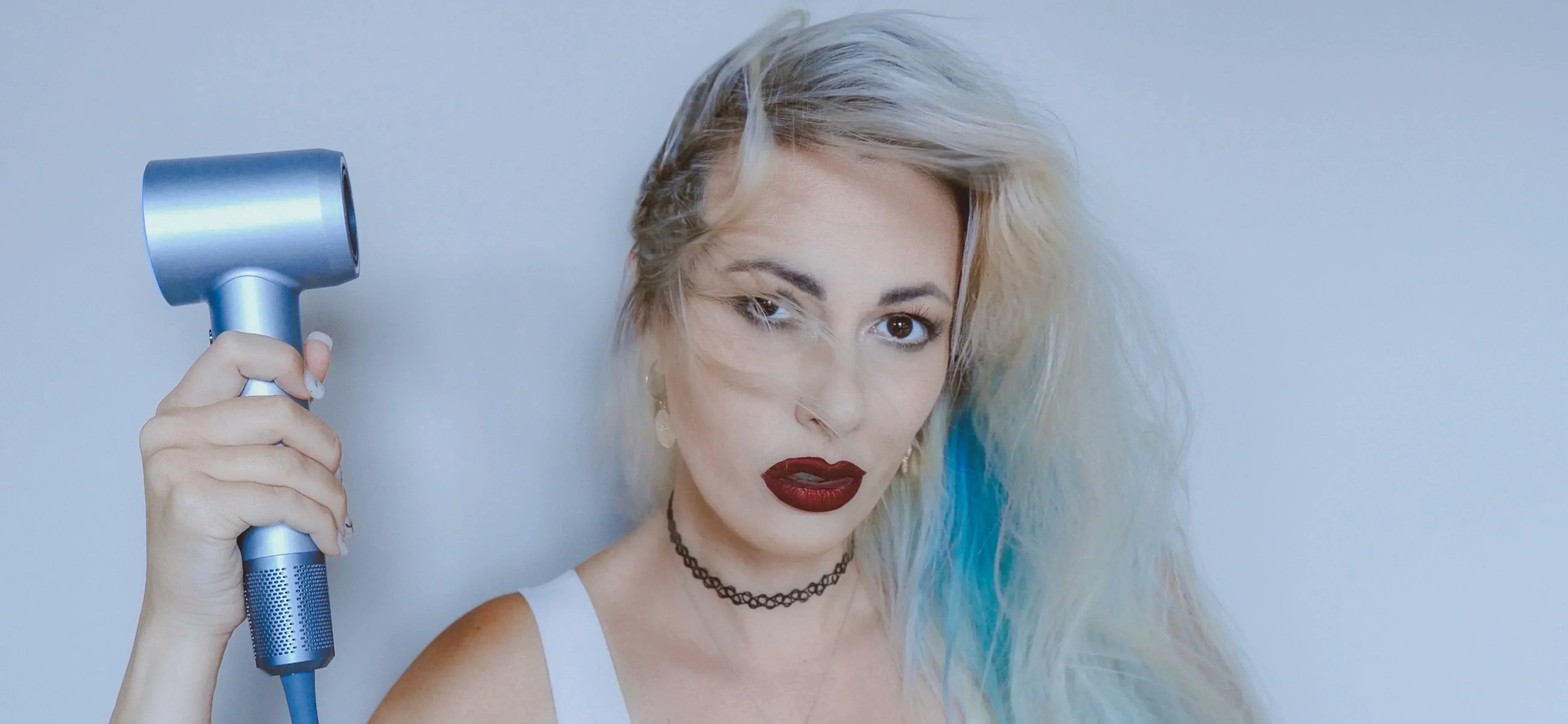
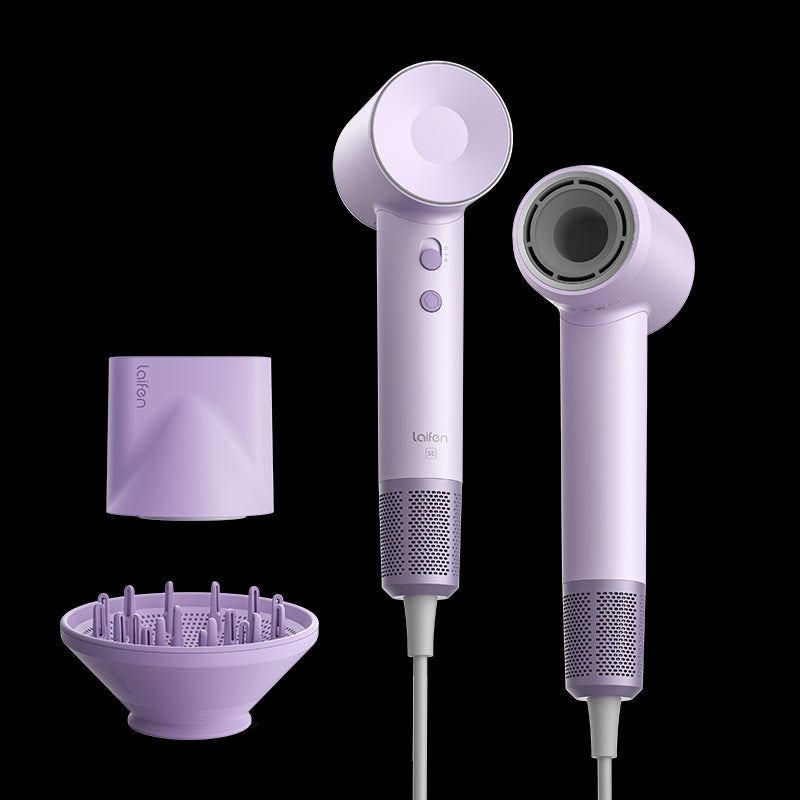
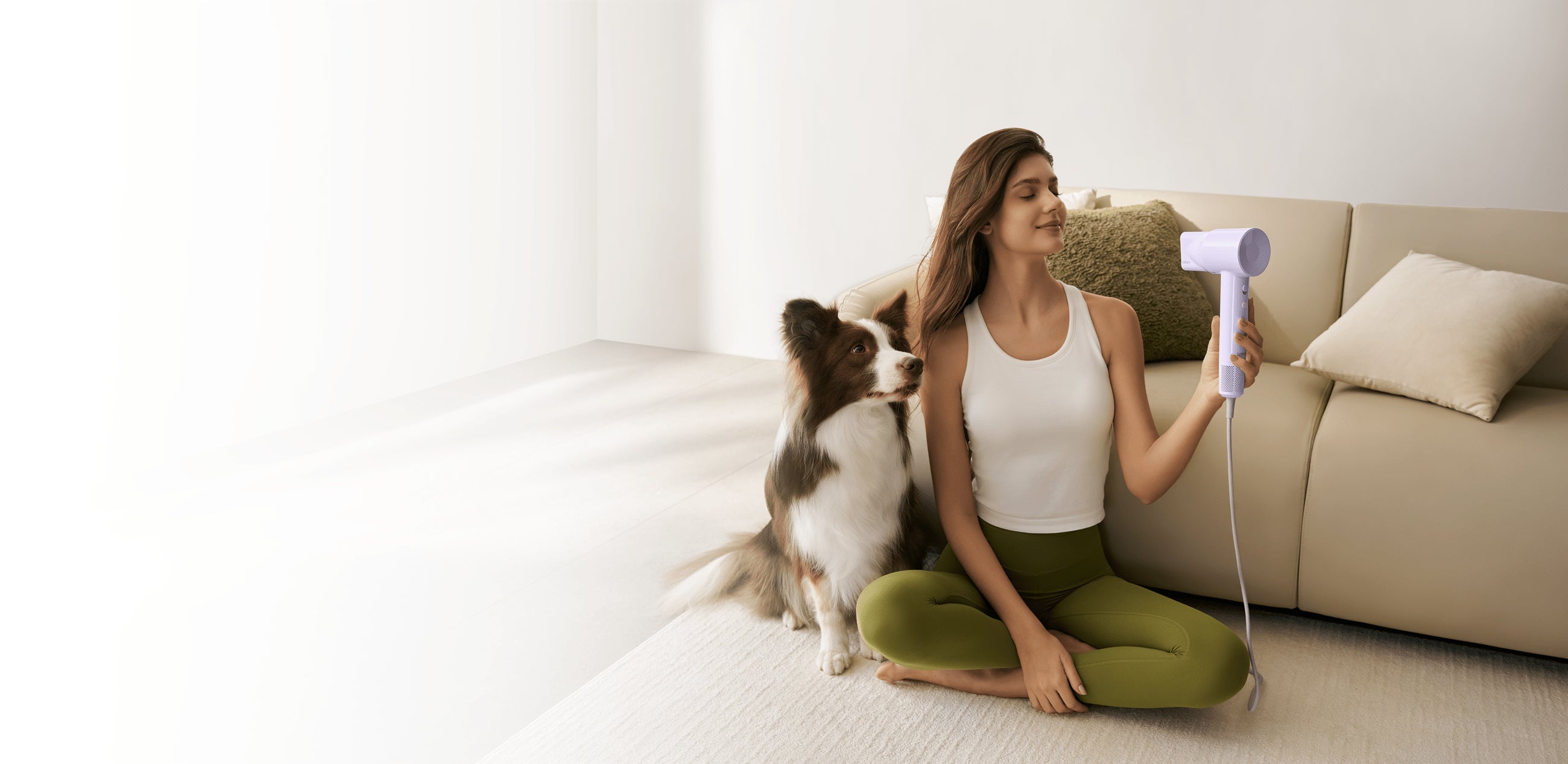
When blow-drying curly hair, technique and tools matter. Always use a diffuser hair dryer to distribute airflow evenly and protect curl structure. A diffuser helps enhance volume while minimizing frizz and heat damage.
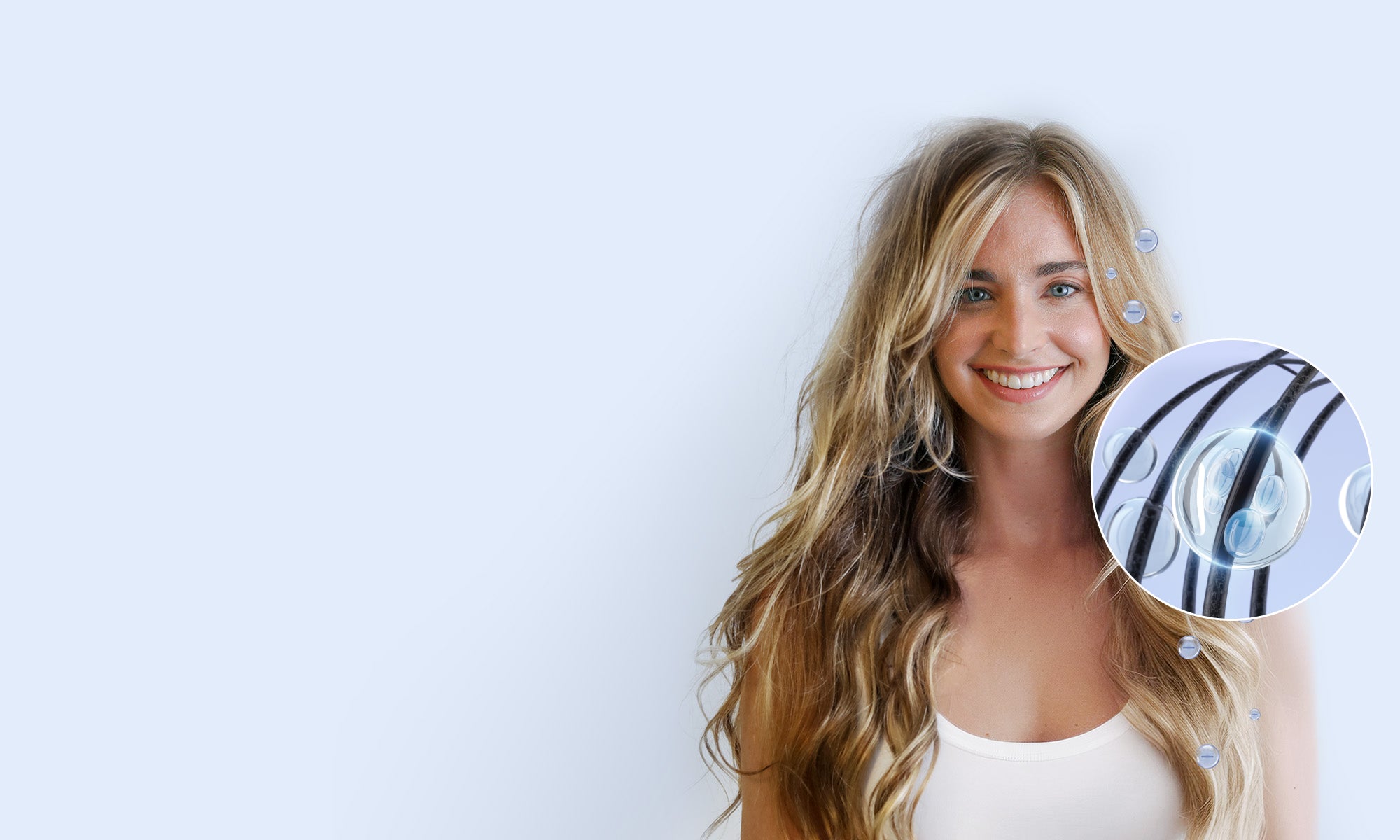
For best results, the Laifen SE hair dryer is an excellent choice. It’s built with high-quality materials and produces over 200 million negative ions, which help smooth the hair cuticle, reduce static, and lock in moisture.
Step 5: Protect
Once your hair is dry, lightly scrunching to soften any product cast. If needed, apply a small amount of hair oil or serum to the ends for added shine and frizz control.
At night, protect your curls by sleeping on a satin pillowcase or using a silk bonnet to reduce friction.
The verdict: Is curly hair a dominant trait?
The bottom line is that curly hair is dominant over straight. So, if both or even one of your parents has naturally curly hair, there’s a good chance that you will, too.
However, as explained in this article, numerous other factors, such as hormones and the environment, can affect your hair throughout your life.
You can also style your hair in numerous ways, using different products and tools to change its appearance if you’re not happy with the natural hair you have, courtesy of your parent’s DNA.
By the way, it’s advised to learn how to take care of your curly hair with some of the tips.