














In this article
- Understanding the lifespan of an electric toothbrush
- How to prolong the lifespan of electric toothbrushes?
- 4 signs you need to change your electric toothbrush head
- What is the typical lifespan of a toothbrush head?
- Our cost-efficient head for electric toothbrushes to try
- Contemplating: Repairing or replacing?
- Manual or electric: Which is better for you?
- Introducing the New Laifen Wave Pro: Built tough for better daily brushing
- FAQs
As a dentist, I often get asked, “How long do electric toothbrushes last?”
The lifespan of an electric toothbrush ranges from 3 to 5 years. It’s no denying that factors such as usage frequency, maintenance, and the quality of the device can influence its durability.
Investing in a high-quality electric toothbrush and following proper care and maintenance practices can extend its lifespan.
Join me as we will let you understand the longevity of electric toothbrushes and how to maximize their effectiveness for a healthier smile.
Understanding the lifespan of an electric toothbrush

On average, these devices last between 3 to 5 years, but several factors can impact their longevity.
Regular usage, proper maintenance, and the quality of the toothbrush all play significant roles.
Getting a high-quality electric toothbrush and adhering to recommended care practices can extend its lifespan.
Signs such as diminished battery life, worn bristles, or malfunctioning components indicate it’s time for a replacement.
How to prolong the lifespan of electric toothbrushes?
In this part, you can find some tips on how to prolong the lifetime of your electric toothbrush products.
Proper maintenance
Clean your toothbrush thoroughly after each use, removing any toothpaste residue or debris.
Store it upright in an open-air environment to allow for drying and prevent moisture buildup, which can lead to bacterial growth.
Routine charging
Ensure your electric toothbrush is charged according to the manufacturer’s recommendations.
Overcharging or leaving the battery depleted for extended periods can affect its lifespan.
Follow the charging instructions provided with your toothbrush to maintain battery health.
Clement handling
Avoid dropping or mishandling your electric toothbrush, as this can damage internal components or the brush head.
Use low pressure and avoid excessive force when brushing to prevent unnecessary wear and tear on the device.
4 signs you need to change your electric toothbrush head
When you need to change your electric toothbrush? 4 signs you need to pay attention to.

-
Worn bristles: If the bristles on your toothbrush appear frayed, bent, or flattened, it’s time for a replacement. Worn bristles are less effective at cleaning teeth and can cause damage to gums over time.
-
Decreased performance: If you notice a decline in the performance of your electric toothbrush, such as weaker vibrations or reduced brushing power, it may indicate that the motor or internal components are wearing out.
-
Battery issues: Persistent battery problems, such as rapid discharging, failure to hold a charge, or difficulty charging the toothbrush, may indicate battery degradation and necessitate a replacement.
-
Damage or wear: Visible damage to the toothbrush handle, such as cracks, leaks, or malfunctioning buttons, as well as excessive wear on the brush head or other components, are signs that the toothbrush is reaching the end of its lifespan and should be replaced.
What is the typical lifespan of a toothbrush head?
The typical lifespan of a toothbrush head is around 3 to 4 months with regular use.
This can vary depending on factors such as brushing technique, frequency of use, and the hardness of the bristles.
It’s important to monitor the condition of the bristles and replace the toothbrush head as soon as they appear worn, frayed, or flattened.
Using a worn toothbrush head can be less effective at cleaning teeth and may cause damage to gums and enamel over time.
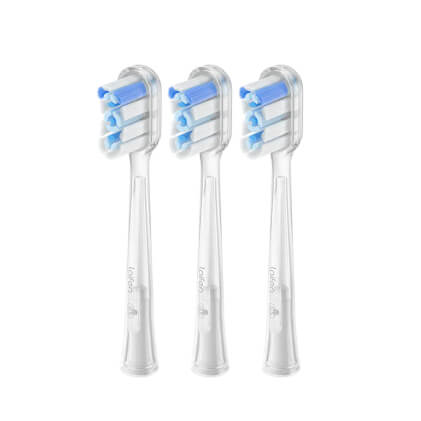
Our cost-efficient head for electric toothbrushes to try

Laifen electric toothbrush to use for your optimal dental cleaning
In this section, we’ll share our electric toothbrush head products, helping you choose according to your needs.
Alternatively, I recommend trying them all to find the fit for your teeth.
Gum care brush head
Designed for gsoft cleaning to meet your daily brushing needs while promoting gum health.
With optimal comfort, cleanliness, and a balanced hardness level, it ensures effective plaque removal and a comfortable brushing experience.
Ultra-clean brush head
Engineered for efficient cleaning and polishing, this brush head provides thorough plaque removal while leaving your teeth feeling exceptionally clean.
Its advanced design offers superior comfort, cleanliness, and hardness for a refreshing brushing routine.
Ultra-whitening brush head
For those seeking a brighter smile, this brush head offers powerful cleaning action to effectively remove surface stains and reveal whiter teeth.
With its high-quality design, it ensures optimal comfort, cleanliness, and hardness, and it is ideal for achieving a radiant smile.
Contemplating: Repairing or replacing?
When your electric toothbrush begins to show signs of wear or malfunction, deciding between repairing or replacing it can be daunting.
-
Firstly, heed the cost implications: repairing may seem like a frugal option, but it’s essential to weigh this against the potential for recurrent issues.
-
Secondly, check the warranty status, as repairs may be covered. It is a viable choice if the damage falls within the warranty period.
-
Lastly, assess the overall condition of the toothbrush; if it’s extensively damaged or worn, replacement might be the more practical choice for maintaining effective oral hygiene.
Manual or electric: Which is better for you?

When choosing between a manual and electric toothbrush, it boils down to personal preference and oral health needs. Manual toothbrushes are budget-friendly and straightforward, ideal for those who prioritize simplicity.
On the other hand, electric toothbrushes offer advanced features like timers and pressure sensors, so they are more suitable for individuals seeking a more tailored brushing experience. Here are more differences between them:
| Manual toothbrush | Electric toothbrush | |
| Cost | Cheaper | Initial investment higher, but lower long-term |
| Ease of use | Requires manual brushing technique | Automated brushing process with various modes |
| Features | Basic functionality | Advanced features like timers and sensors |
| Cleaning efficiency | Depends on brushing technique | Consistent and thorough cleaning |
| Oral health benefits | Effective with proper technique | May improve brushing habits and gum health |
| Accessibility | Widely available | May require access to electricity |
| Customization options | Limited options | Various brush head types and settings |
| Maintenance | Easy to clean and replace | May require periodic charging and head replacement |
| Recommendation | Comfortable with manual brushing | Advanced features and cleaning experience |
Introducing the New Laifen Wave Pro: Built tough for better daily brushing

The Laifen Wave Pro is a newly released electric toothbrush made for people who expect more from their daily routine.
It’s built with stronger, longer-lasting materials to handle everyday use while delivering consistent, reliable performance. From the solid handle to its upgraded internal structure, the Wave Pro is designed to feel sturdy in your hand and dependable over time.
What makes it stand out is how its improved materials support better brushing results. A more stable build helps the brush move smoothly and evenly, giving you better control and a more comfortable clean. This also means less wear over time and performance you can count on day after day.
FAQs
1. How long do electric toothbrushes usually last?
Most electric toothbrushes last three to five years with normal daily use.
2. What parts wear out first on an electric toothbrush?
Brush heads wear out the fastest and should be replaced every three months. Batteries and internal motors usually last much longer if cared for properly.
3. How do I know when my electric toothbrush is wearing out?
Signs include weaker vibrations, shorter battery life, longer charging times, or inconsistent performance during brushing.
4. Does the battery affect how long an electric toothbrush lasts?
Yes. Battery health plays a big role. Overcharging, storing it empty for long periods, or exposing it to heat can shorten its lifespan.
5. How can I make my electric toothbrush last longer?
Rinse it after each use, store it upright to air-dry, avoid dropping it, and replace brush heads regularly to reduce strain on the motor.
6. Should I leave my electric toothbrush on the charger all the time?
Occasional charging is fine, but keeping it plugged in nonstop may reduce battery health over time. Letting the battery cycle helps it last longer.
7. Can brushing too hard damage an electric toothbrush?
Yes. Excessive pressure can stress the motor and wear down parts faster. Let the brush do the work instead of pressing hard.
8. Is it worth replacing an old electric toothbrush?
If performance drops or charging becomes unreliable, replacing it can improve cleaning results and make brushing easier and more effective.