














In this article
There are different types of starter locs for both men and women, and the approach you take at the start of your loc journey will impact your long-term styling goals. Therefore, you should think carefully about the locs you create today, so you can style your hair properly months or even years down the line.
In this article, we introduce you to starter locs and explain how to achieve them. We then run through some popular styles and methods you can use to achieve your desired look.
Introducing starter locs

Starter locs – sometimes referred to as baby locs – are the first stage of creating locs in your hair. The idea is to enable your hair to lock and tangle naturally, creating individual sections that you can develop into fully matured locs. Let’s look at the differences between starter and fully matured locs:
| Baby locs | Fully matured locs |
| Small and thin | Thicker and more voluminous |
| Short and formed from the root | Much longer |
| Less uniform and tightly packed | Tighter and more consistent |
| More difficult to style | Easier to style |
Starter locs VS Instant locs
Starter locs and instant locs are two popular ways to begin a loc journey, but they offer very different experiences. Understanding how they’re created, how they mature, and what level of patience and maintenance they require can help you choose the path that fits your lifestyle, timeline, and hair goals.
Stater locs
Starter locs are the traditional beginning of a loc journey. They’re created using coils, two-strand twists, or braids, forming the foundation from which your locs will naturally lock over time. The key thing people must know is that starter locs demand patience.
Maturing can take months depending on hair type, and the early stages often come with frizz, shrinkage, and unpredictability. You’ll need consistent re-twisting schedules and a willingness to let your hair go through each phase.

Instant locs
Instant locs take a different approach. Using a crochet hooking technique, the stylist creates fully formed locs in a single session. This method delivers the “loc’d” look immediately with no long starter phase, no waiting months for them to take shape. It’s ideal for people who want quicker results, travel frequently, or need a polished look right away.
However, instant locs require a skilled stylist and typically cost more upfront. The maintenance afterward is similar, but the initial time investment shifts from months of waiting to hours in the chair.

Preparation steps: How to do starter locs
There are numerous ways to get started with locs, so how to start locs on natural hair depends on your preferences.
The best method is the comb coil approach, which involves twisting your natural hair around the teeth of a fine-tooth comb.
Alternatively, some people opt for the instant loc method, which sections the hair and uses a crochet tool to tangle the hair into something that looks like a semi-mature loc. You can ask your stylist to use either method, but we recommend the comb coil approach for the best results.
How to do starter locs? Things to consider
Mind your parting pattern
This is important, because the pattern you choose will influence the way your locs look when they mature. As a starting point, ask your stylist for a square or diamond pattern, as they are multifaceted and can be styled in numerous ways.

Your locs need water
One of the biggest mistakes people make when starting locs is that they keep them dry. While you don’t need to wash your hair (washing your hair can disrupt the pattern), you do need to add water to your locs. This will keep your locs moist and will help them to grow. Understanding how to wash starter locs and knowing how to look after them will deliver long-term success as they mature.
You need to be patient
The transition from baby locs to mature locs takes time, often at least six months. Don’t expect instant results as you will be disappointed.
Limit your product usage
Locs are particularly prone to product build-up, so you need to avoid heavy, oil-based products as your hair matures. If you want to hydrate your hair, go with lightweight moisturizers and dissolvable butter as these are the best products for starter locs.
Styling ideas for your baby locs
So, now you have a good idea of how baby locs work and how to start them, let’s dive into some styling ideas to help you look your best:
Coil starter locs

You can create comb coils by twisting small sections of your hair around a fine-tooth comb, as mentioned above. This approach creates neat and worldly cylindrical coils, and offers excellent structure to the start of your locs journey. When they mature, coil locs can be styled in numerous ways as they are extremely versatile.
Two-strand twist starter locs

One of the most popular baby locs styles is the two-strand twist. As the name suggests, this approach requires you to split the hair into two distinct sections. This approach creates defined and uniform sections and gives you lot of control as your locs develop. This look is suitable for lots of hair types and textures, and it’s particularly easy to maintain.
Braid locs
Like traditional braids, braid locs require you to braid the hair from the roots. You need longer natural hair to achieve this look, and it’s an awesome look for people with slightly thicker hair. These locs are also versatile, and you can style them into numerous braid patterns when they finally mature. One downside of braid locs is that they usually take longer to develop than other styles introduced here.
Free forms
Known as organic or natural locs, free forms allow your infant locs to develop naturally and is a very popular hairstyle for starter locs. Though they can look unruly in the early days of their development, free forms are authentic and a brilliant way to style natural hair. The main drawback here is that you don’t have much control over how your locs mature, which can affect your styling preferences in the future.
Sponge locs

One of the most popular starter locs for men is the sponge locs look, which you can achieve by using a sponge with small holes. It’s different from normal men’s hairstyles and comb over and V haircut. This creates defined coils and twists throughout the hair, delivering uniform, defined coils that are consistent and fresh. If you opt for sponge locs, you need to make sure they’re hydrated and moist, as they can easily dry out if you don’t care for them.
Wrap up
There are numerous ways to achieve starter locs, so speak to your stylist about your short and long term goals, as these will both affect the locs method you use and the style you go for when your locs mature.
Also, bear in mind our essential preparation tips and ensure that you care for your locs properly to avoid them drying out. If you’re patient and follow our insightful tips, your locs should begin maturing within six to twelve months.
FAQs
Q1: How long do starter locs take to fully mature?
Starter locs usually take 6 to 18 months to mature, depending on hair texture, thickness, and how often you maintain them. Coarser hair may lock faster, while looser curls need more time.
Q2: Which starter loc method is best?
Coils work well for tight curls, two-strand twists suit most textures, braids help loose curls stay intact, and comb coils offer a neat start. Choose the method that matches your hair’s density, your maintenance routine, and your desired loc size.
Q3: How to start beginner locs?
Beginner locs can be started with coils, twists, or braids. Start on product-free hair, part it into even sections, and use a chosen method to form each loc. Keep them neat with light moisturizing and re-twisting. Working with a knowledgeable loctician can help ensure even sizing and long-term results.
Q4: What are the 5 stages of starter locs?
Starter locs move through five stages: starter, budding, teen, mature, and rooted/adult. Each stage brings changes in texture, swelling, shrinkage, and frizz. It’s normal for them to look different as they develop.
Q5: Should I oil my starter locs?
Yes, but lightly. Starter locs benefit from occasional oiling to keep the scalp comfortable and prevent dryness. Focus on light oils and apply them directly to the scalp, not the locs themselves. Too much oil can cause buildup or slow locking, so aim for balance rather than heavy moisturization.
Q6: How to blow out starter locs naturally?
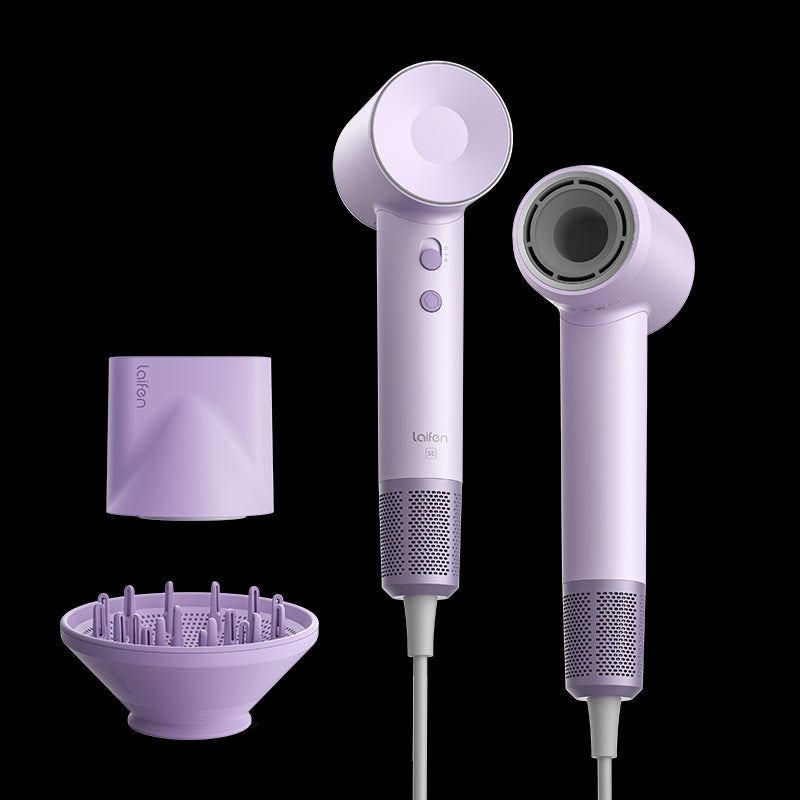
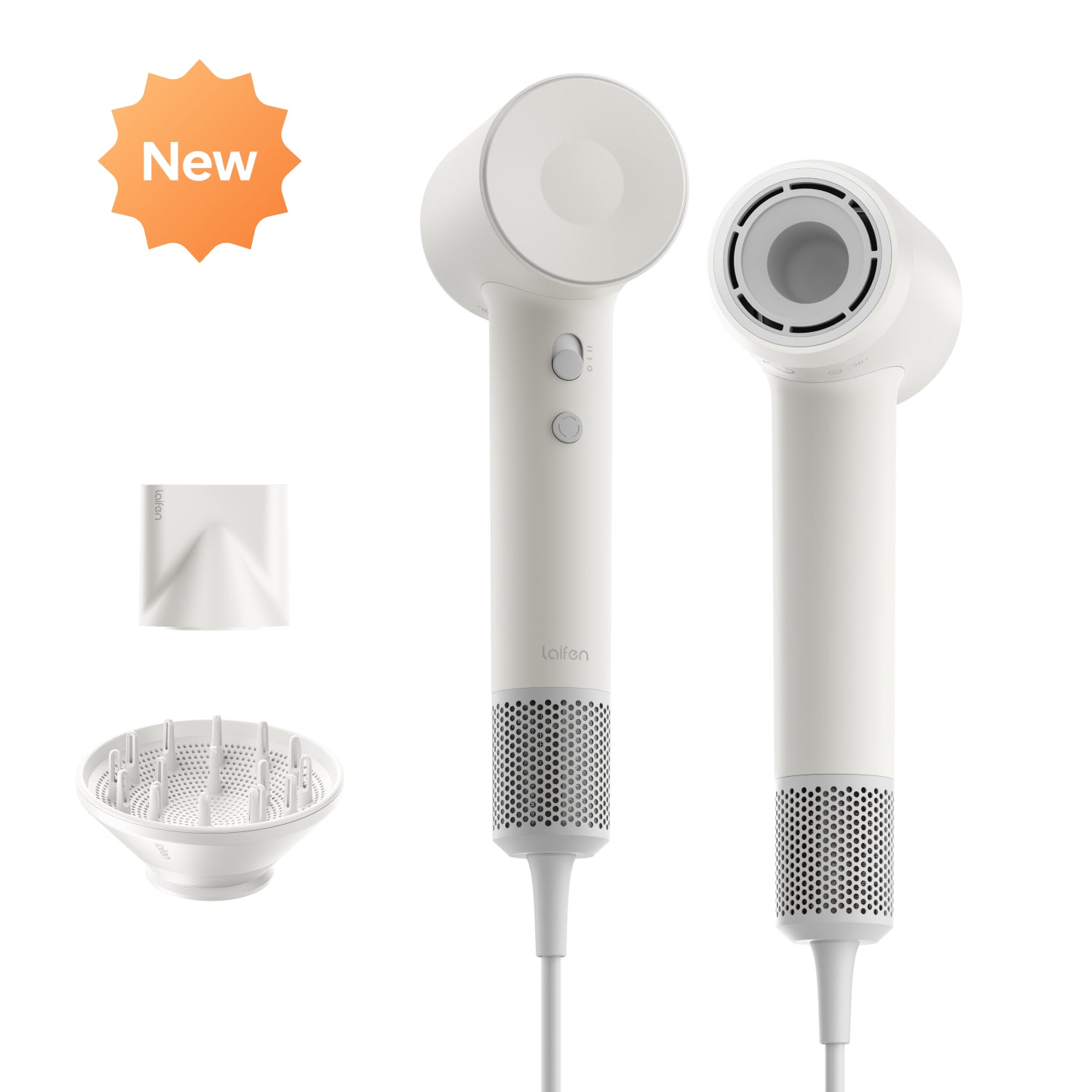
Use cool or low heat to protect the developing loc structure. So Laifen Swift Special is your tool because it has multiple temperature and wind settings while blow out native ions to againt frizz and dryness. Pat your locs dry with a towel, then use a dryer with a diffuser (Swift Special has a diffuser nozzle as well) or cool shot setting. Keep the airflow moving and avoid pulling the locs while drying. Slow, low-heat drying helps prevent frizz and keeps starter locs intact.